
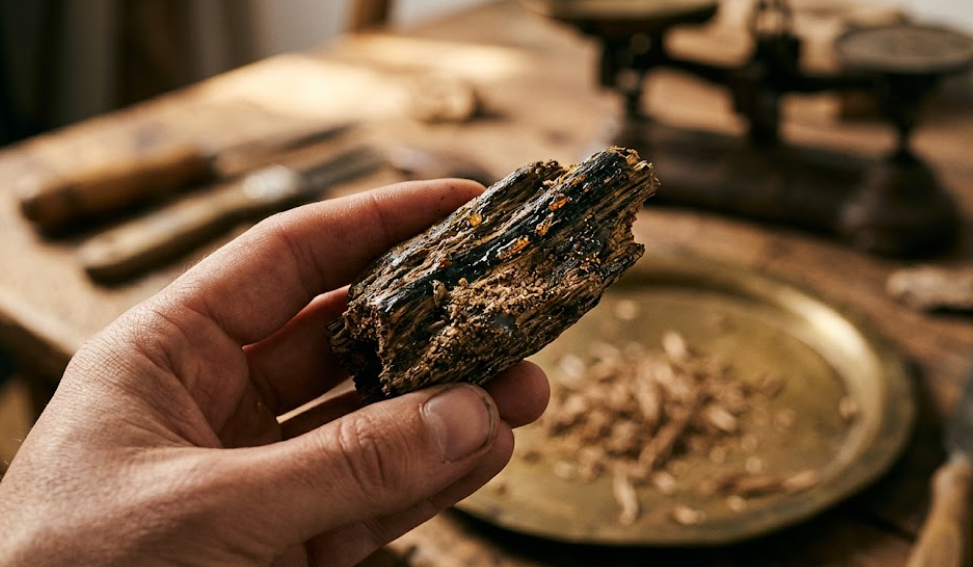
If you have ever caught a trace of a high-end Middle Eastern perfume or purchased a premium bottle of oud, you have encountered one of the rarest, most valuable raw materials on earth: agarwood.
Known frequently as the “Wood of the Gods,” top-grade agarwood can command astronomical prices, sometimes selling for over $100,000 per kilogram. With a global market valuation surpassing billions of dollars, demand is climbing rapidly—fueled by luxury perfumers, wellness brands, and religious markets stretching from Dubai to Tokyo.
While countries like Indonesia and Vietnam have capitalized on this green rush by legalizing large-scale commercial farming, the Philippines finds itself caught in a frustrating legal gridlock known as the “Agarwood Paradox.”
The Birth of Liquid Gold
Agarwood is not simply a type of timber; it is the result of a biological battle. When a native Aquilaria tree (locally known in the Philippines as lapnisan) is wounded or infected by a specific predatory mold, the tree defends itself by producing a dense, dark, highly aromatic resin. It is this resin-soaked heartwood that holds the legendary fragrance.
Because healthy trees do not produce the resin, wild agarwood is incredibly rare. For decades, poachers have stripped Philippine tropical forests, pushing the native Aquilaria species nearly to extinction. Today, the tree is heavily protected under Philippine law and CITES, the global treaty regulating endangered species trade.
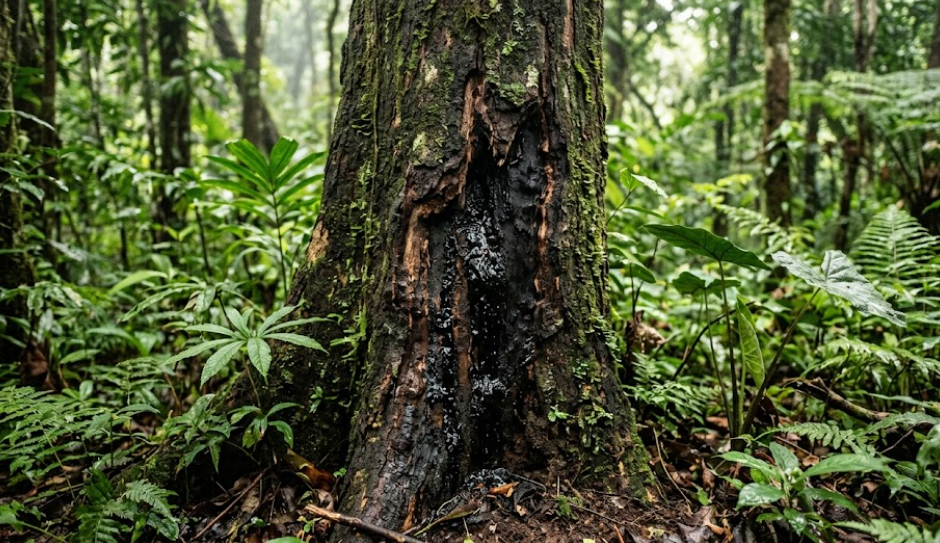
While wildlife protection is entirely logical, the implementation of these rules has inadvertently choked out honest agricultural development.
The Bureaucratic Red Tape
Under current environmental regulations, if a private landowner or independent farmer wants to plant agarwood seedlings on their own property, they face a staggering regulatory maze. Cultivating, transporting, or harvesting the trees requires expensive, complex government permits, such as a Wildlife Culture Permit. The system intentionally sets a sky-high barrier to entry to prevent “wood laundering”—a loophole where poachers steal old wild trees from protected state parks and claim they were grown on a private farm.
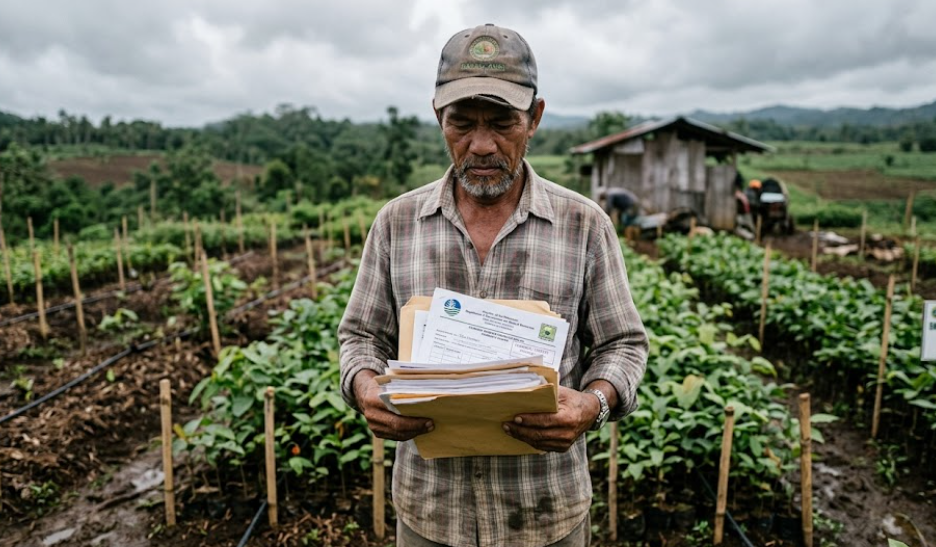
However, critics point out that this strict framework has achieved the exact opposite of its intended goal. Honest, small-scale rural farmers are completely buried in paperwork and priced out of the industry. Meanwhile, illegal smugglers simply bypass the law entirely.
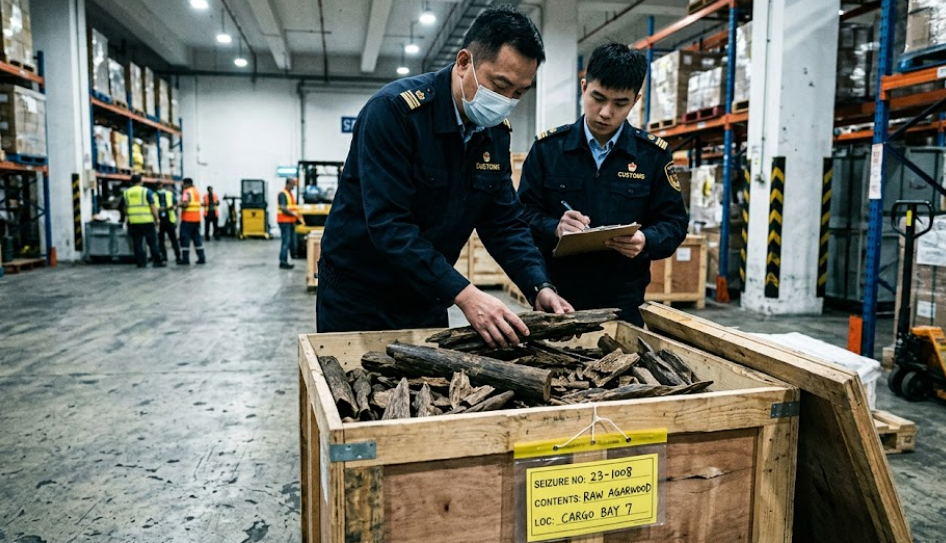
The black market is actively thriving precisely because entering the legal market is nearly impossible. This was made clear when the Bureau of Customs intercepted illegal outbound shipments of smuggled agarwood valued at hundreds of thousands of pesos.
A Cash Crop, Not a Crime
The tide may soon turn for the agricultural sector. Lawmakers have introduced House Bill 10320, also known as the “Agarwood Industry Development Act.”
The goal of the bill is to remove the criminal stigma from cultivated trees and treat agarwood exactly like coffee or cacao: as a highly regulated cash crop rather than an environmental liability. If passed, the measure would grant free private farm registration, slice through bureaucratic red tape, and create a dedicated regulatory body to oversee clean export channels.
According to economic projections, streamlining the legal pathway for agarwood plantations could generate up to 30,000 direct and indirect jobs in rural cultivation, processing, and global trade. While the legislative framework catches up, a handful of licensed operations are utilizing strict buy-back programs to let local communities participate safely within current guidelines.
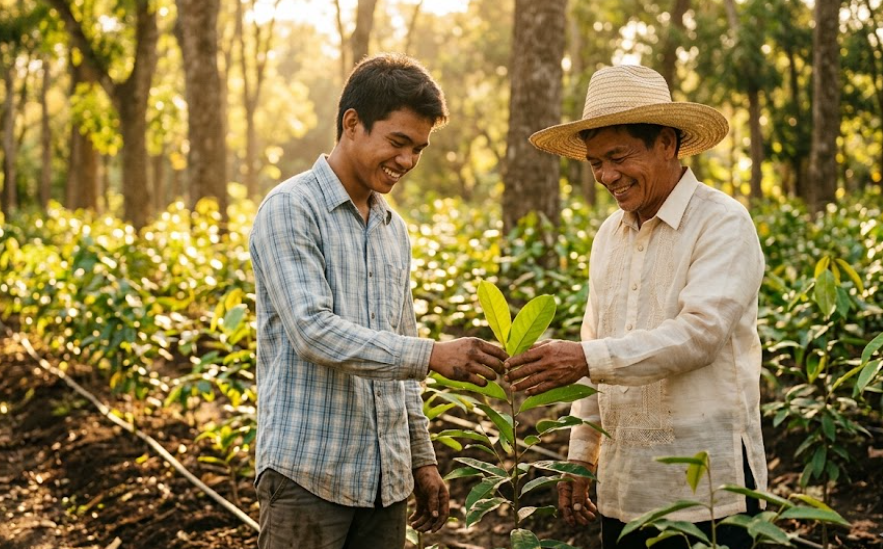
The global appetite for premium natural fragrances and luxury oud oils shows no signs of slowing down, with North America ranking as one of the fastest-growing markets. The climate is ideal, the global demand is locked in, and the native species are ready. The only element missing is a modern legal system that recognizes small-scale farmers as the ultimate solution to conservation, rather than the problem.
Would you ever invest in a high-value “retirement crop” like agarwood if the government removed the paperwork? Do you think strict environmental laws end up hurting honest farmers more than actual poachers? Drop your thoughts, city, and country below!