
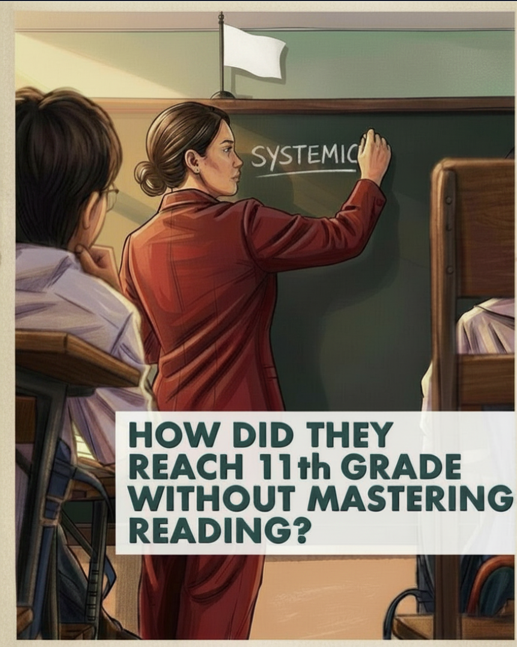
A deeply troubling reality is quietly unfolding inside high school classrooms across the United States and Canada. High school juniors and seniors—students just a year away from entering adulthood, the workforce, or college—are struggling with basic reading comprehension.
According to data from the National Assessment of Educational Progress (NAEP), known as “The Nation’s Report Card,” reading scores for high school seniors have plummeted to their lowest levels in over two decades. Shockingly, nearly one-third of 12th-graders now score “below basic” in reading proficiency.
How does a student navigate ten full years of compulsory schooling and reach the 11th grade without mastering foundational literacy? The answer lies in a broken mix of social promotion, systemic curriculum shifts, and modern digital distractions.
The Illusion of Passing Grades
For decades, public education systems across North America have leaned heavily into a practice known as “social promotion”—the policy of passing a student to the next grade level regardless of whether they have actually mastered the current grade’s academic standards.
The intent behind social promotion was to keep children with their age-group peers to protect their social and emotional development. However, the unintended consequence is an compounding academic deficit. A child who falls slightly behind in 3rd-grade reading is pushed into 4th grade.
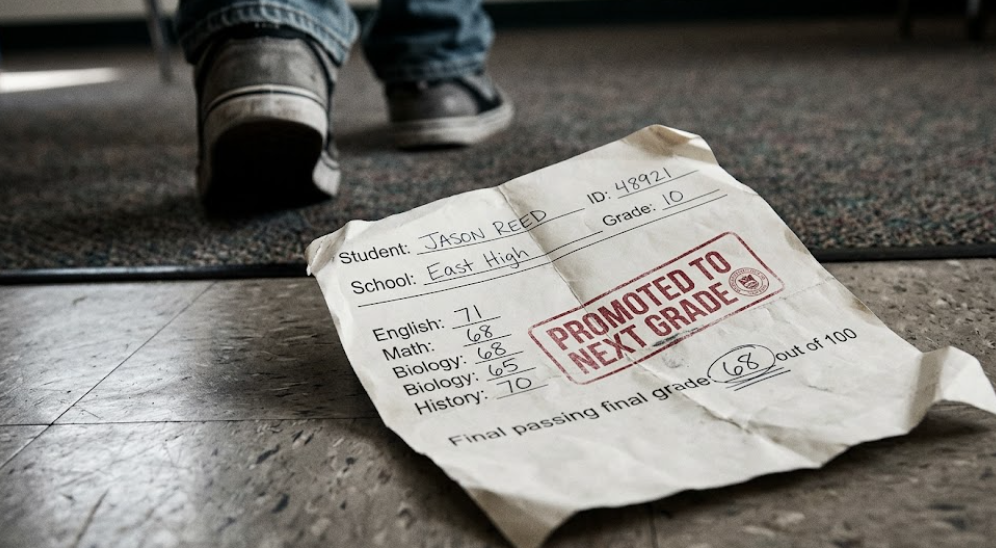
By middle school, that minor gap expands into a massive chasm. By the time they sit in an 11th-grade classroom, they are expected to analyze complex informational texts while technically reading at an elementary school level.
Because schools are evaluated on their graduation rates, there is an immense structural pressure to keep moving students down the assembly line. Passing grades on report cards frequently mask the fact that a student is functionally illiterate.

The Death of Deep Reading Stamina
Systemic policy is only half the battle; the other half is happening right in the palm of students’ hands. Literacy experts note that the nature of how young people consume information has fundamentally altered their brain wiring.
To be a proficient reader, a student must possess cognitive stamina—the ability to sit with a long, dense text, follow a complex argument, and decode unfamiliar vocabulary over several pages. In an era dominated by short-form video loops, rapid scrolling, and instant digital gratification, that mental stamina has severely withered.
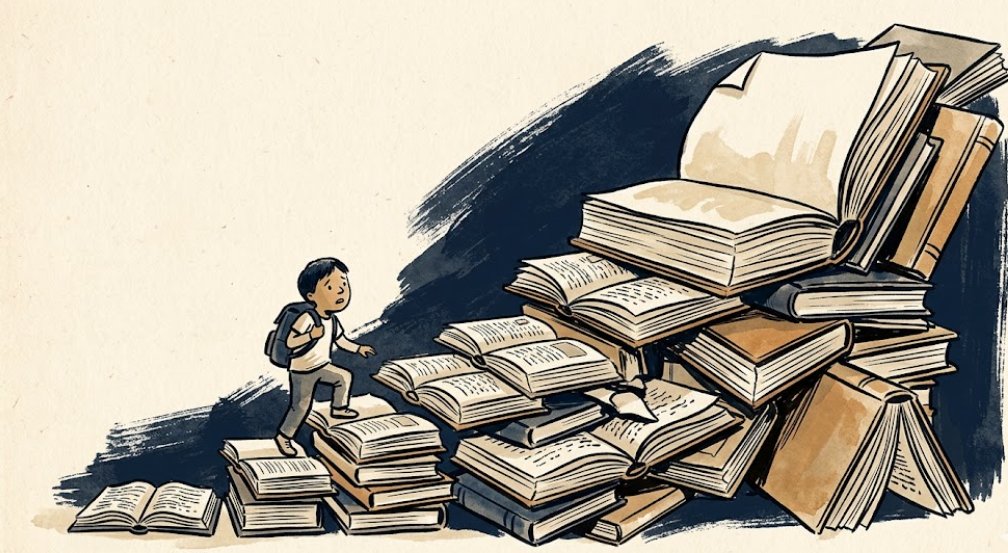
Data shows that the percentage of teenagers who read for pleasure almost every day has collapsed to an all-time low of just 14%. When students spend their leisure hours consuming text in 15-second fragments, their ability to process an advanced high school curriculum shuts down.
The Real-World Consequences
When the education system defaults on its promise to teach children how to read, the economic consequences are severe.
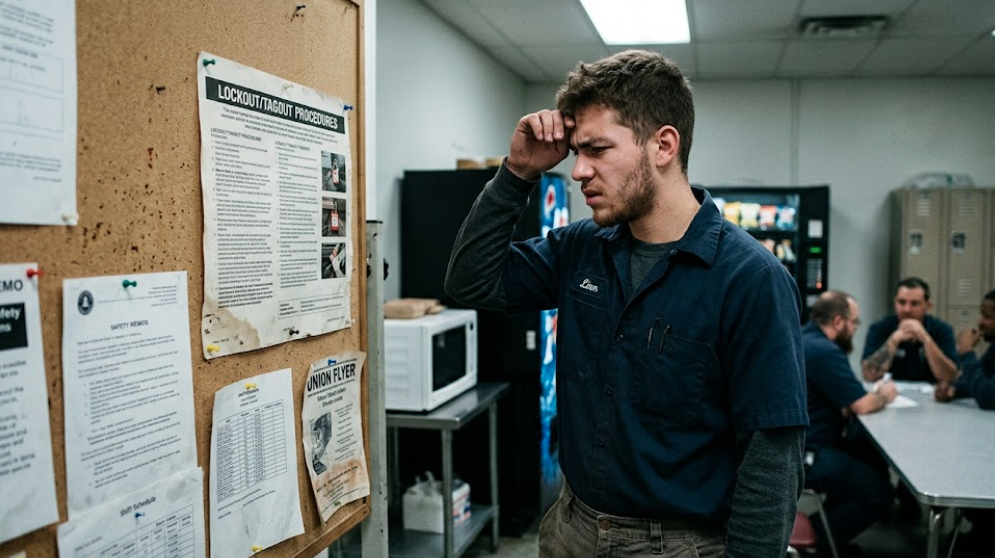
High school graduates are entering the workforce unable to read training manuals, comprehend basic legal contracts, or safely navigate complex workplace instructions.
Fixing this silent crisis requires an immediate end to passing students forward for convenience. School districts must implement aggressive, scaffolded reading interventions in middle and high school, mandate smartphone-free learning environments, and return to phonics-based foundational literacy.
Have you noticed a decline in reading habits among the teenagers in your family or community? Do you think social promotion should be banned in public schools? Drop your city and state/province below and join the conversation!