

Walk into any trendy café or artisanal bakery in New York, Toronto, or Los Angeles today, and you are bound to see a sea of vibrant, photo-worthy lilac treats. Ube—the naturally vivid purple yam rooted deeply in Filipino culinary tradition—has officially taken the North American food and beverage scene by storm.
From specialized cloud coffees and Starbucks’ limited-edition iced macchiatos to premium Ube-infused cream liqueurs, the Western appetite for this subtly sweet, vanilla-nutty root crop has broken records. Export figures show sales soaring past $3 million, landing ube directly on major food intelligence reports as a top flavor trend.
However, behind the photogenic Instagram aesthetics lies a devastating agricultural emergency. The global “purple gold” rush has grown so aggressive that the Philippines—the cultural and historical heartland of ube—is physically running out of its own star export.

The Math Behind the Collapse
The numbers coming out of agricultural registries tell a sobering story. While international consumer demand has surged exponentially over the last few years, domestic production within the Philippines has experienced a steep, continuous freefall.
In 2006, the country harvested over 30,000 metric tons of purple yam. By recent counts reported by the Philippine Statistics Authority, that annual yield has shriveled to a mere 12,400 metric tons. The country can no longer grow enough raw material to satisfy the world.
This crushing deficit has triggered a highly embarrassing economic irony: the Philippines is now forced to import raw purple yams from neighboring Vietnam just to meet the baseline production demands of its own domestic commercial bakers and traditional dessert manufacturers.
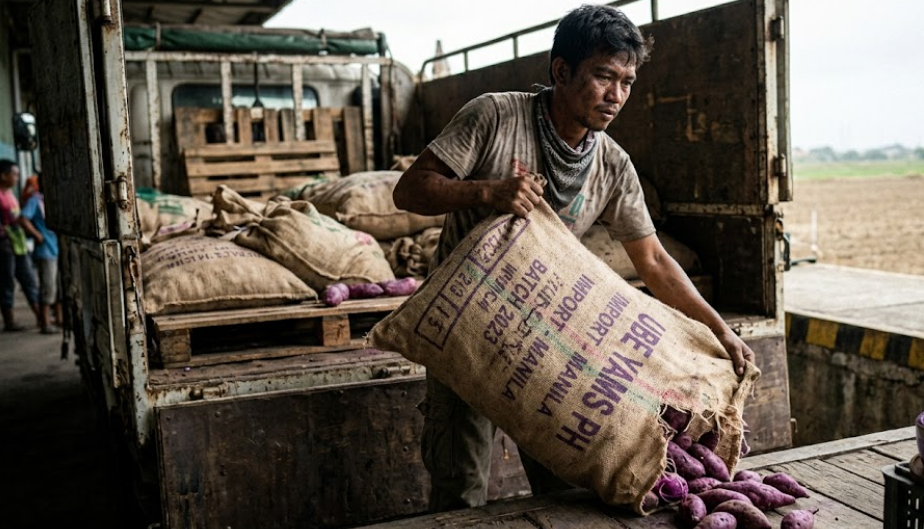
Why the Supply Chain Snapped
How does a country with the perfect tropical climate lose control of its most famous native crop? The supply chain crisis boils down to a desperate race for immediate cash.
Before ube became a global sensation, small-scale independent farmers harvested the tubers from small mountain plots and sold them at local provincial markets, often at a financial loss. When the global craze hit, buyers flooded the provinces, causing farmgate prices to quadruple from 20 pesos to a stable 80 pesos per kilogram.
Desperate to capitalize on these record-high payouts, farmers made a critical long-term error: they sold 100% of their stock to commercial exporters.
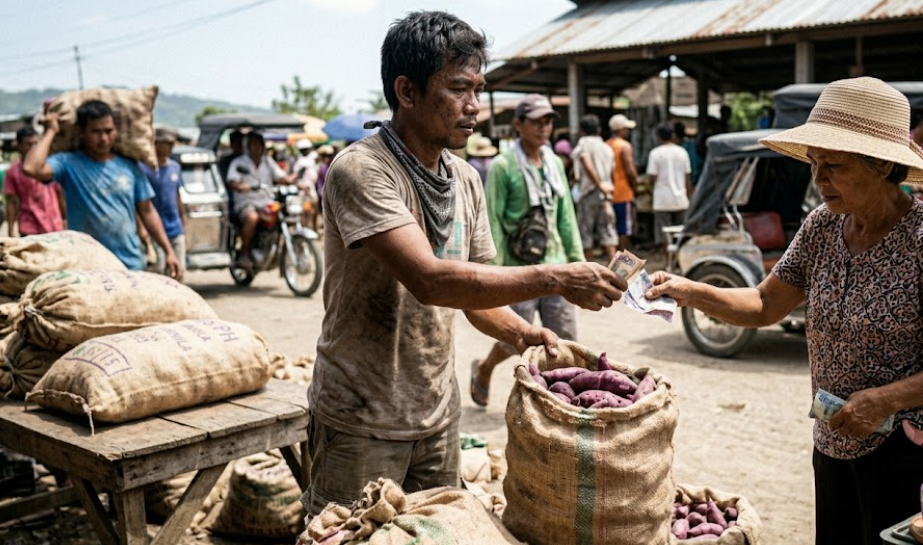
In traditional root-crop agriculture, a farmer must save a portion of their healthiest harvest to use as “seed yams” or planting materials for the following season. By emptying their fields to cash in on the immediate global demand, growers left themselves with virtually zero seedlings to replant. Now, expansive fields sit entirely empty because there are physically no planting materials left to put in the dirt.
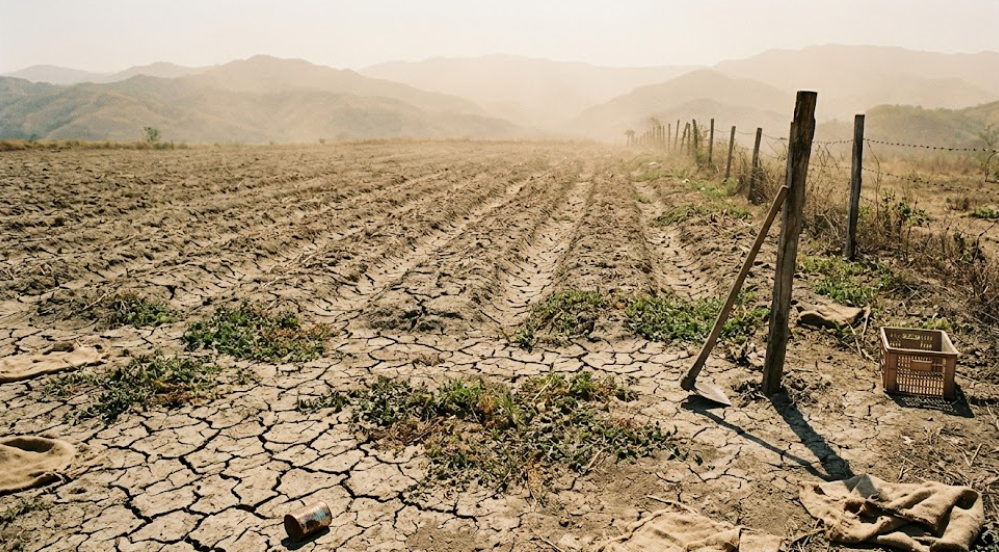
The Race to Rebuild
To prevent a complete industrial collapse, multi-sector collaborations are scrambling to stabilize the supply chain. The Department of Agriculture has proposed millions in emergency funding for root-crop research, and agricultural networks are distributing tissue-cultured seedlings to rural communities. Trade departments are aggressively pushing independent processors to completely ban the export of raw, unprocessed ube, ensuring that only high-value processed powders and concentrates leave the borders to protect local economic margins.
For Western consumers snapping photos of their purple lattes, that eye-catching hue is a trendy lifestyle choice. But for the global agricultural industry, it is a stark lesson in how rapidly a viral social media trend can completely break a traditional agricultural economy before the system can even adapt.
Have you tried any ube-flavored drinks or desserts in your city yet? Do you think the West’s obsession with global food trends does more harm than good to local farming communities? Drop your thoughts, city, and state/province below!