
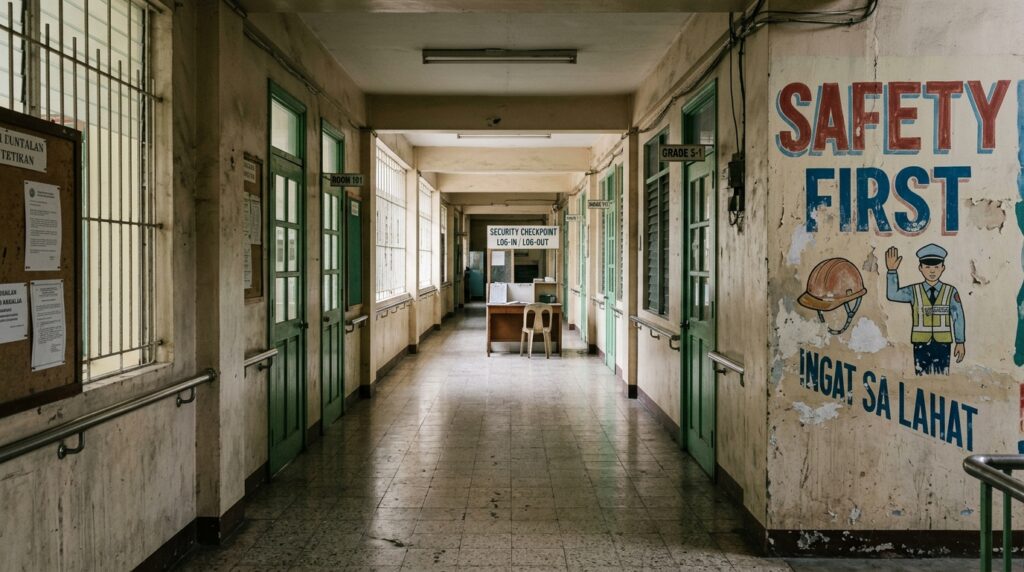
Every fiscal year, citizens diligently contribute a substantial portion of their hard-earned income to the national budget, operating under the baseline expectation that these tax revenues will be systematically deployed to maximize public safety, stabilize communities, and protect the country’s youth. Within the educational sector, these funds are intended to build secure learning environments where young minds can develop without fear.
However, recent distressing security incidents involving juveniles have brought intense scrutiny to how these funds are distributed.
A sharp legislative and public debate is erupting across the Philippines regarding whether current state resource models are disproportionately neglecting the protection of the innocent majority.
The Dynamics of Rehabilitation vs. Protection
The core of the issue lies in how public institutions balance rehabilitative care for high-risk, volatile minors versus the immediate defensive infrastructure required to safeguard ordinary students. Under existing social welfare frameworks, significant administrative funds and institutional resources are legally mandated to manage, counsel, and attempt to rehabilitate minors exhibiting extreme behavioral issues or severe violent tendencies.
The critical policy bottleneck, critics argue, is that this focus creates a severe resource deficit for the protection of the broader student population.
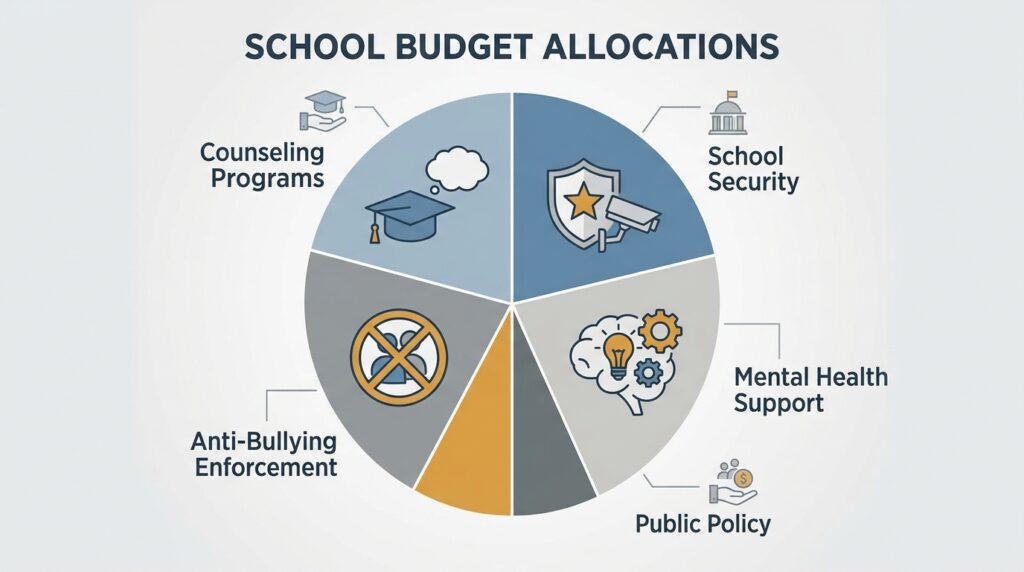
When immense public capital is funneled into reactive, specialized counseling and legal protections for high-risk individuals, the baseline safety networks—such as robust school security, mental health support for trauma victims, and strict anti-bullying enforcement—are frequently left severely underfunded.
The Real-World Impact on the Classroom
This imbalance in utility creates an environment where everyday, law-abiding students bear the brunt of the systemic shortfall. When violent or highly disruptive behavior is met with institutional leniency or a lack of strict separation protocols, the classroom ceases to function as a safe space.
Instead, innocent students are subjected to severe psychological strain, bullying, and in worst-case scenarios, direct physical danger.
Sociological registries tracking educational welfare indicate that unchecked trauma and persistent fear dramatically decrease overall learning efficiency, leading to long-term community degradation.
When public funds fail to establish definitive boundaries against violence, the system inadvertently devalues the safety of the very population it is meant to nurture, fueling widespread demands for a complete overhaul of institutional priorities.
Re-Engineering Public Accountability
As the conversation intensifies, civic groups and parental coalitions are moving aggressively to demand strict transparency regarding municipal and national education budgets. The consensus among reform advocates is that public utility must favor the collective good: first and foremost by ensuring the unyielding protection of students who respect the law.
Rebuilding trust in public infrastructure requires an honest reallocation of resources—shifting the priority toward heavily fortifying school safety, providing comprehensive care for victims of violence, and enforcing real, tangible consequences for dangerous behavior.
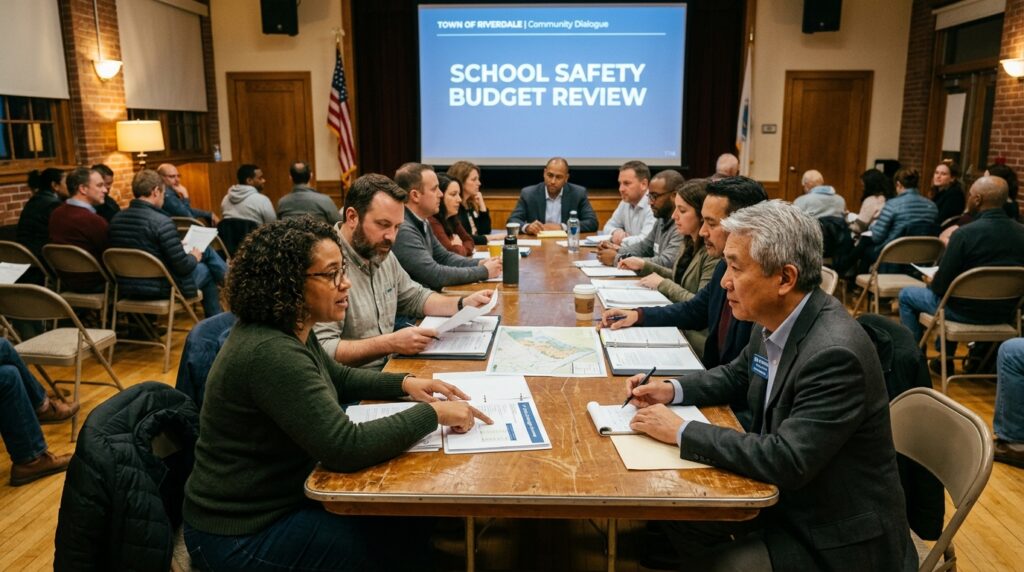
Do you believe that public tax revenues should be shifted away from rehabilitative care to focus entirely on fortifying school security and protecting innocent students? How can local communities better balance safety with student intervention? Drop your location and your thoughts below!