
When seasonal flooding occurs across major river basins, communities typically benefit from multi-day weather forecasts and structured evacuation timetables. Modern disaster management frameworks rely on satellite tracking to warn river settlements well before floodwaters reach critical stages.
However, a devastating transboundary disaster in the Himalayas has underscored the extreme, unpredictable danger of glacial ice avalanches and mountain flash floods.
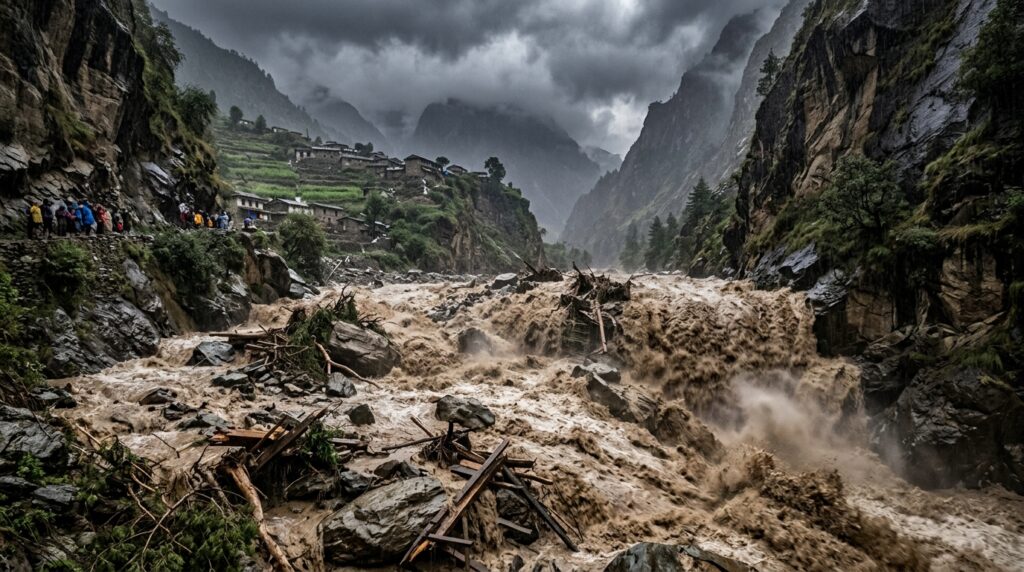
A massive wall of water, mud, and boulders tore through valley communities along the Bhotekoshi and Trishuli river systems across Nepal’s Rasuwa, Nuwakot, and Dhading districts near the border with Tibet, leaving at least 95 people dead and more than 400 tourists and local residents missing.
According to preliminary geological assessments, an earthquake in the upper mountain ranges triggered a colossal rock-and-ice avalanche into the Lhende Khola river, temporarily damming the gorge before catastrophically releasing millions of tons of trapped water downstream.
The Mechanics of the Transboundary Flash Surge
The destructive force of the Himalayan flash flood stems from the rapid release of high-altitude blockages:
- Debris damming created a temporary natural reservoir in the upper Tibetan reaches before the barrier suddenly collapsed under immense pressure.
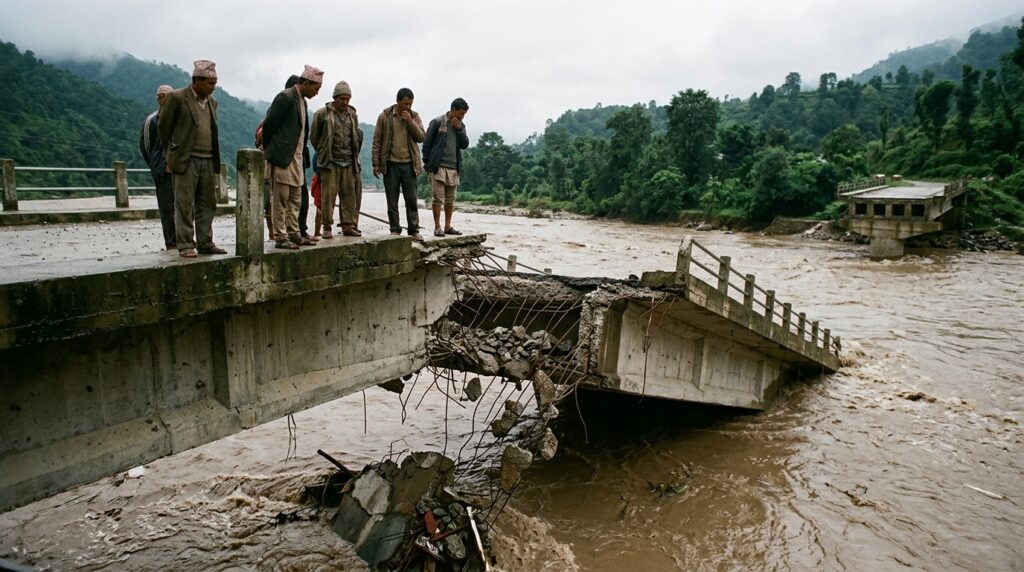
- High-velocity floodwaters carried heavy sediment, uprooted timber, and boulders, exerting extreme kinetic force that sheared away concrete bridges and multi-story buildings.
- The sudden surge wiped out over 40 kilometers of critical roadway and severed communication lines, stranding rescue aviation teams in narrow valley topography.
Hydropower infrastructure, including major hydroelectric facilities along the Trishuli River corridor, suffered severe structural damage, with several workers and technical staff reported out of contact.
International Rescue Efforts and Regional Impact
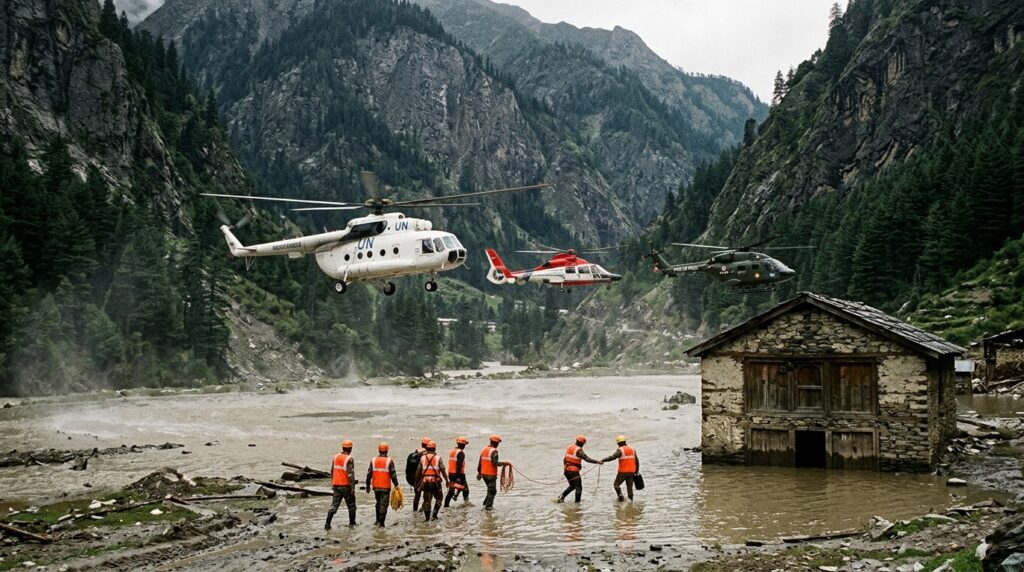
The sudden disaster triggered an immediate multinational humanitarian mobilization. With hundreds of foreign travelers among the missing—including citizens from India, North America, the United Kingdom, and Australia—rescue teams from Nepal, China, and India deployed ground personnel and relief aircraft to evacuate stranded survivors to high ground.
Downstream regional authorities across northern India, including Bihar and Uttar Pradesh, were placed on elevated flood alert as the surge continued along cross-border tributaries.
Emergency agencies emphasize that high-altitude glacial flash floods present unique challenges for global disaster response, as high-speed debris flows give valley settlements virtually zero advance warning.
The Critical Need for Geological Monitoring
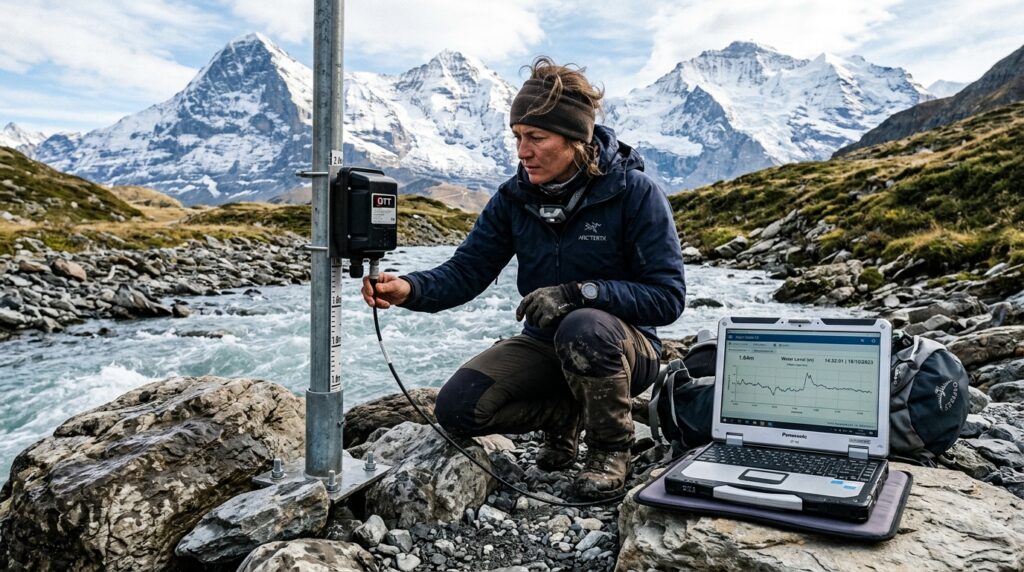
Geoscientists emphasize that mitigating future mountain flood catastrophes requires real-time early warning networks and automated seismic sensors in remote glacial valleys.
Until advanced satellite monitoring and automated river gauges are fully integrated across transboundary corridors, rapid elevation gain and immediate adherence to riverbank evacuation protocols remain the only defense against high-altitude flash surges.
[SOURCES & VERIFIED DOCUMENTATION FOR READERS]:
- Nepal Office of the Prime Minister and Council of Ministers: Disaster Response Briefing (August 2026)
- International Centre for Integrated Mountain Development (ICIMOD): Glacial Hazard Rapid Assessment
- Global Disaster Alert & Coordination System (GDACS): Himalayan Transboundary Inundation Case File
Have you ever witnessed how rapidly a river can swell and cause catastrophic damage? What steps should international agencies take to improve early warning systems in remote mountain regions? Drop your location and thoughts below!