

Across the globe, the foundational open architecture of the World Wide Web is facing an unprecedented regulatory crisis. For years, digital platforms functioned as the primary public square, connecting billions of people for commerce, communication, and civic debate.
However, regulatory authorities worldwide are increasingly threatening total, nationwide platform bans under the premise of policing unmoderated content, misinformation, and digital safety violations.
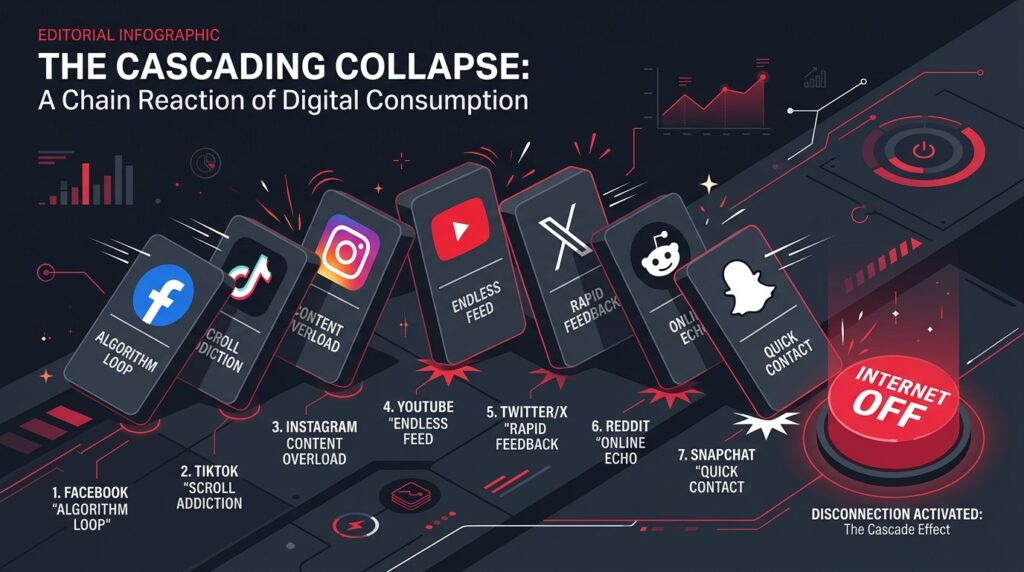
In several regions, cybercrime and telecommunications agencies have openly floated geo-blocking mainstream social networks like Facebook, citing slow compliance with local moderation standards.
Yet digital rights advocates warn that attempting to regulate free expression by banning entire platforms triggers a dangerous domino effect—one that inevitably marches toward the ultimate suppression of the open internet itself.
The Inevitable Migration Loop
The fundamental flaw of banning a single platform lies in human communication dynamics:
- When a government blocks a mainstream network, millions of active users and digital businesses do not simply disappear—they migrate immediately to alternative apps, decentralized protocols, or encrypted channels.
- As users flood alternative spaces, content moderation challenges and controversial discussions inevitably follow.
- Regulatory bodies, finding the same speech on new networks, respond by issuing secondary bans against each successive platform in an endless game of digital enforcement.
This cycle rapidly escalates: when new platforms continue to emerge faster than regulators can issue compliance orders, the state faces an impossible administrative enforcement bottleneck.

From App Bans to the “Internet Kill Switch”
Once selective platform blocking fails to halt the spread of unmoderated discourse, regulatory options narrow toward extreme, infrastructure-level intervention.
Digital policy analysts emphasize that when governments exhaust platform-level censorship, the only remaining tool is national gateway filtering, mandatory DNS tampering, virtual private network (VPN) criminalization, and eventually full-scale telecommunications blackouts.
The economic and social collateral damage of this trajectory is catastrophic:
- Crippling local micro-, small-, and medium-sized enterprises (MSMEs) that depend on social commerce and global connectivity for daily survival.
- Severing real-time emergency communication networks during severe weather events and national crises.
- Dismantling national digital economy competitiveness by driving international tech investment and skilled remote talent away.
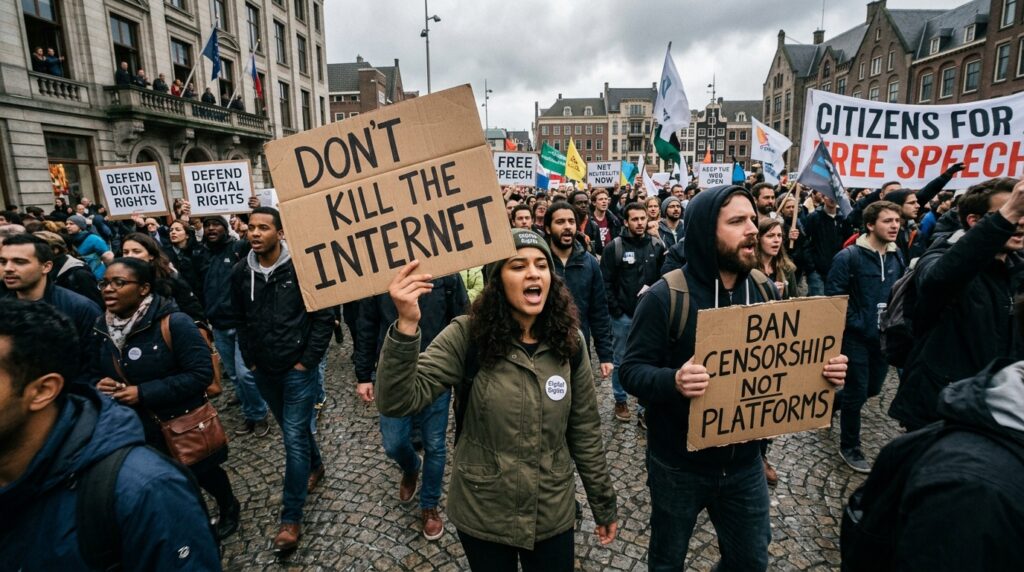
Protecting the Principle of the Open Web
Civil liberties organizations and cybersecurity coalitions emphasize that addressing online fraud and dangerous content requires targeted law enforcement, institutional digital literacy, and platform accountability—not blunt digital blockades.
Banning the tools of communication rather than prosecuting actual criminal actors sets a perilous precedent. Until global leadership recommits to protecting fundamental digital rights, normalizing the shutdown of public platforms risks paving the way toward total state control of the internet itself.
[SOURCES & VERIFIED DOCUMENTATION FOR READERS]:
- Freedom House: Freedom on the Net 2025 — Global Platform Censorship & Internet Shutdowns Report
- Electronic Frontier Foundation (EFF): Digital Rights & Platform Accountability Registry (2026)
- International Telecommunication Union (ITU): Open Internet Architecture & Economic Resilience Report
If the government bans one social media platform for unmoderated posts and people move to another, where does the banning stop? Do you believe banning platforms actually solves misinformation, or does it hurt ordinary citizens and businesses? Drop your thoughts below!