
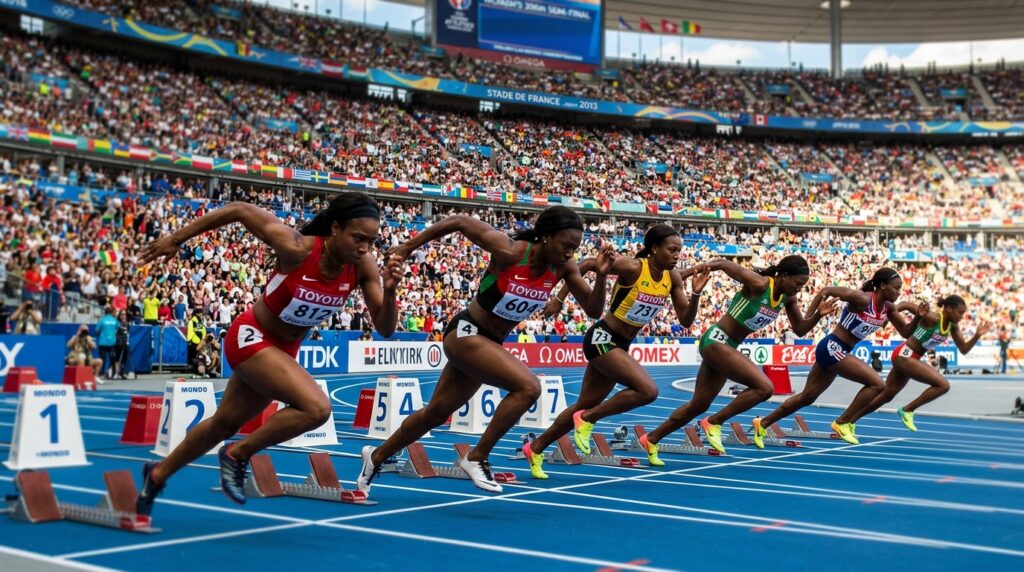
For over a decade, international sports governing bodies struggled to establish an objective standard regarding gender inclusion and biological fairness in competitive athletics. Policy frameworks previously attempted to regulate eligibility primarily through hormone suppression thresholds, allowing transgender women to enter female categories if plasma testosterone remained below specific limits for designated timeframes.
However, mid-2026 legal decisions and international federation updates have officially rendered the hormone-reduction model obsolete across elite sports.
Major sports authorities—including updated frameworks from the International Olympic Committee (IOC), World Athletics, World Aquatics, and national collegiate leagues—have systematically shifted eligibility rules toward strict biological classification.
Under updated eligibility mandates, competitive divisions designated for female athletes are increasingly restricted to individuals who are biologically female, verified through genetic and developmental criteria rather than circulating hormone levels.
The Science Behind the Category Shift
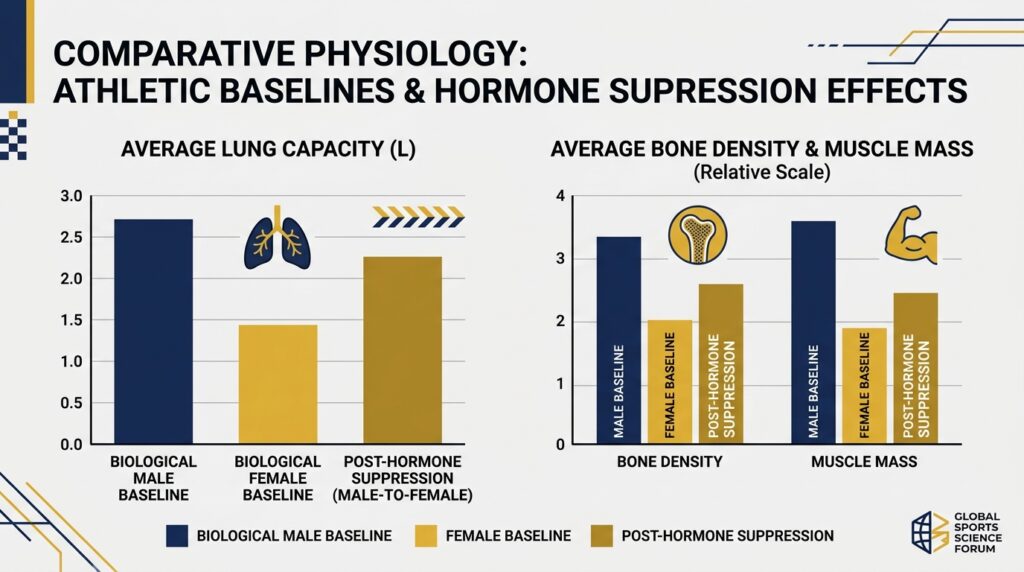
The move away from testosterone suppression stems from extensive sports science data evaluating athletic physiology:
- Longitudinal sports physiology studies demonstrate that individuals who undergo male puberty retain permanent biomechanical advantages—including larger lung capacity, denser bone structure, greater muscle mass, and narrower pelvic angles.
- Cross-sectional data shows that chemical testosterone reduction therapies do not fully eliminate the legacy performance advantages established during male developmental growth.
- Female competitors across track, swimming, rugby, and cycling voiced growing concerns that open eligibility compromised fair play, podium opportunities, and college athletic scholarship pathways for female athletes.
By prioritizing scientific baseline fairness over subjective self-identification, international federations are moving to protect the historical integrity of female athletic achievements.
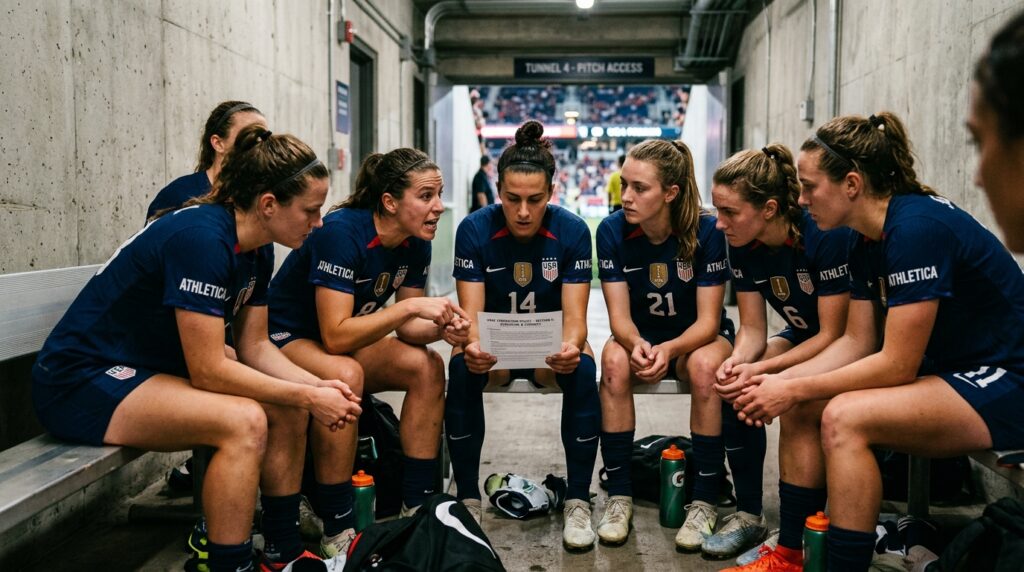
The Global Legal & Cultural Backlash
The decision to strictly define women’s sports categories by biology has sparked intense global debate among athletes, legal scholars, and human rights organizations.
Advocacy groups argue that sweeping restrictions exclude transgender women from participating in elite competition and that universal genetic screening methods pose privacy and equity concerns for female athletes, including those with natural differences of sex development (DSD).
Conversely, women’s sports coalitions and legal defense organizations assert that the creation of the female sports category was never based on social identity, but was specifically established under civil rights frameworks to provide biological females an equitable arena to compete, win, and earn recognition without being outmatched by male biological advantages.

The Shift Toward the “Open Category”
To balance competitive integrity with participation opportunities, international sports federations are increasingly adopting an “Open Division” model:
- Preserving the traditional Female Division strictly for biological females.
- Designating the Men’s Division as an “Open Category” accessible to athletes of any gender identity or biological background.
- Establishing clear, transparent entry criteria that eliminate ambiguity for event organizers, high school leagues, and Olympic qualifiers.
As athletic associations worldwide finalize their operational guidelines ahead of upcoming international championships, the consensus among major federations is clear: maintaining categorical fairness is the foundational pillar of competitive sports.
[SOURCES & VERIFIED DOCUMENTATION FOR READERS]:
- International Olympic Committee (IOC): Policy on the Protection of the Female Category in Olympic Sport (2026)
- World Athletics Council & World Aquatics: Eligibility Regulations for the Female Competition Category
- Sports Law & International Court of Arbitration for Sport (CAS): Athletic Category Jurisprudence Archive
Do you believe competitive sports should maintain a strictly protected biological female division, or should eligibility be based on self-identified gender? How should sports organizations balance fairness with inclusion? Drop your city, state, or country below and share your thoughts!