

For the past five years, Silicon Valley giants bet billions of dollars on a very specific vision of future computing: bulky, immersive virtual reality headsets. Consumers were promised that strapping heavy, screen-laden goggles onto their faces would become the primary way the world works, attends meetings, and navigates daily entertainment.
However, recent consumer adoption figures reveal that the high-priced, ski-goggle form factor has hit a massive commercial wall.
Instead of isolating themselves behind heavy display visors, everyday consumers across the United States, Canada, and the United Kingdom are driving an unexpected hardware revolution known as “No-Display Spatial Computing.”
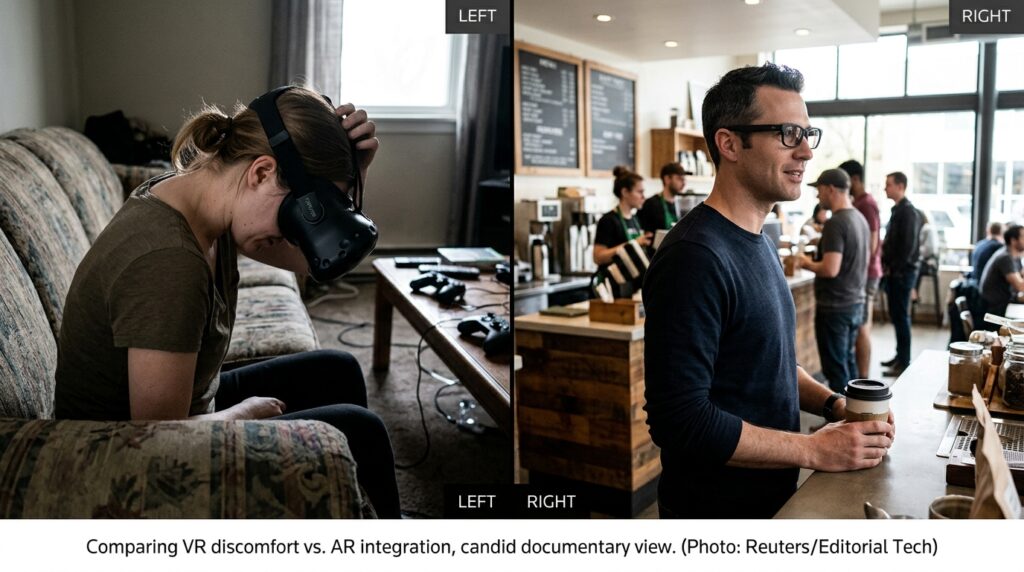
According to market tracking from ABI Research, global shipments of lightweight, display-free AI smart glasses are expanding at an explosive 85.4% compound annual growth rate, projected to reach 28 million consumer units by 2030.
The Problem With Over-Engineered VR
The consumer rejection of traditional mixed-reality headsets comes down to real-world friction:
- Heavy form factors that trigger neck strain, facial fatigue, and motion sickness during extended use.
- Excessive price points climbing over $3,500 for devices with limited everyday utility outside the living room.
- Social isolation barriers that prevent users from making natural eye contact in public and professional environments.
When consumers realized that strapping screens directly over their eyes felt cumbersome and impractical for daily tasks, tech developers were forced to pivot from pure visual immersion toward lightweight, contextual assistance.

The Rise of the “Invisible Interface”
The breakthrough winner of the wearables market isn’t the device with the highest pixel density; it is the frame that looks and feels like ordinary eyewear. By removing the physical visual display entirely, manufacturers have unlocked all-day battery life, featherlight ergonomics, and clean aesthetic appeal.
Instead of forcing users into artificial digital worlds, modern smart glasses integrate microphone arrays, open-ear audio, and compact cameras directly with advanced multimodal AI assistants.
Users can ask their glasses for real-time foreign language translations, get instant object recognition, control home automation, or dictate messages without touching a smartphone or looking at a screen.
The Road Ahead
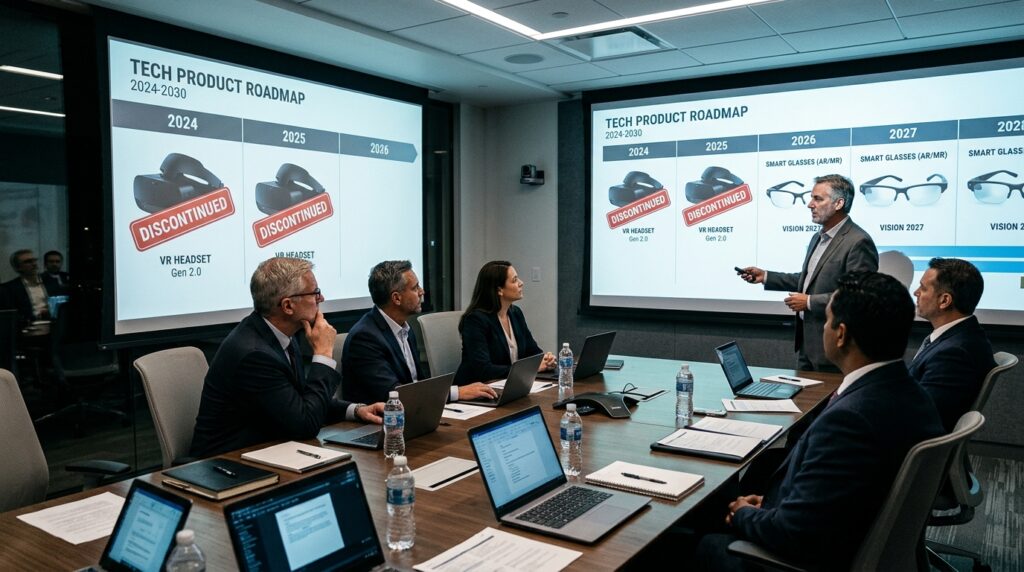
This dramatic hardware shift is forcing major technology brands to restructure their device roadmaps. Bulky headsets are being relegated to niche enterprise simulations and hardcore flight simulators, while everyday consumer development is shifting entirely into discreet, fashionable frames.
As micro-battery density improves and edge AI models run with zero latency, smart glasses are emerging as the first true threat to the smartphone’s dominance—proving that the most successful technology is the kind you forget you’re wearing.
[SOURCES & VERIFIED DOCUMENTATION FOR READERS]:
- ABI Research: Consumer AR & No-Display Smart Glasses Growth Forecast
- International Data Corporation (IDC): Worldwide Augmented and Virtual Reality Headset Tracker
- Consumer Technology Association: Wearables & Smart Eyewear Market Index
Have you officially given up on bulky VR headsets in favor of everyday smart glasses? Would you wear AI-powered frames if they looked identical to standard prescription glasses? Drop your location and thoughts below!