
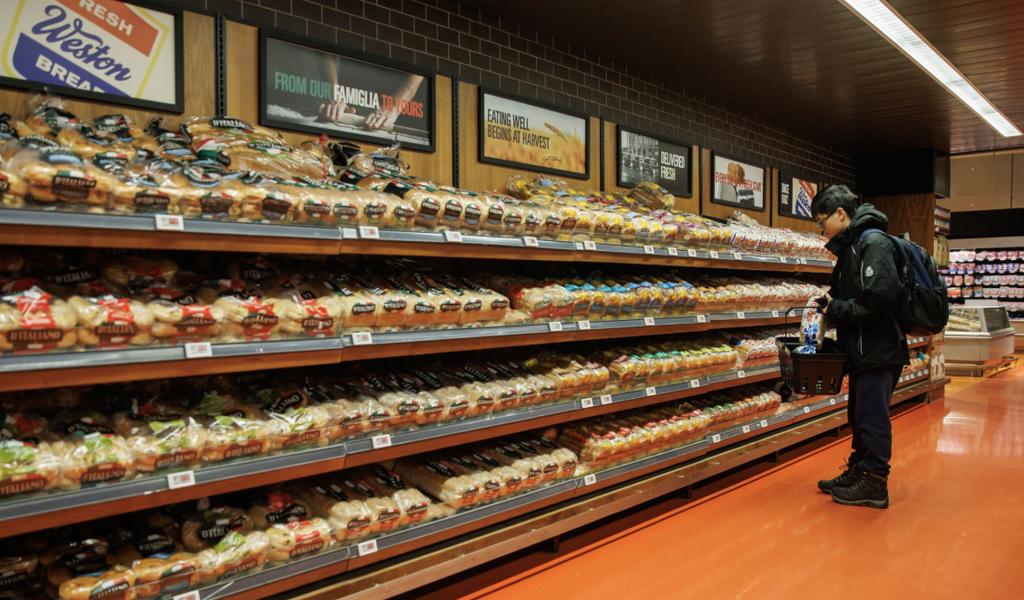
For decades, the standard loaf of sliced white bread served as the ultimate symbol of household staple affordability. Families relied on basic bakery items to stretch weekly meal budgets, operating under the assumption that essential pantry goods would remain insulated from drastic economic shifts.
However, a ten-year retrospective on consumer food prices reveals a dramatic compounding shift in household purchasing power, shattering decades of relative grocery price stability.
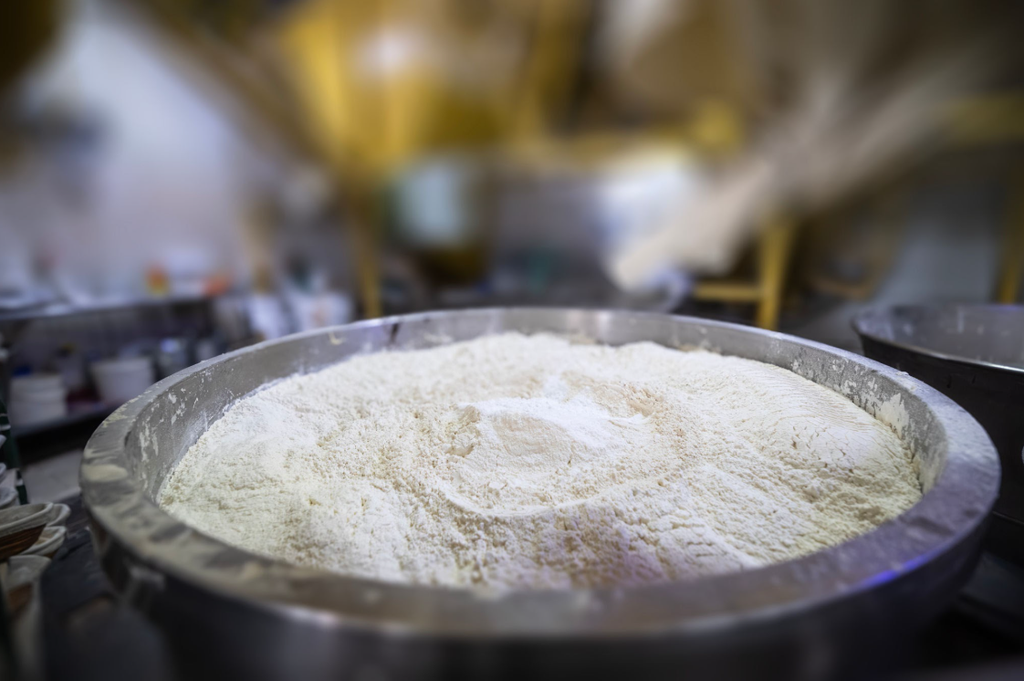
According to national retail price tracking data compiled between 2016 and 2026, the average retail price for a standard one-pound loaf of white bread climbed from approximately $1.37 in 2016 to over $1.84 to $1.97 in 2026—marking a total price surge of over 35%.
While a price jump of under a dollar per loaf may sound minor in isolation, its compounding effect across basic household staples tells a far more concerning story about shrinking wage margins.
The Hidden Drivers of “Breadflation”
The compounding cost of a simple loaf of bread stems from multi-tiered supply chain pressures:
- Agricultural shocks and global wheat supply volatility that elevated raw flour commodity costs.
- Severe spikes in commercial baking energy expenses, as high-volume industrial ovens required significantly higher electricity and natural gas inputs.
- Elevated regional freight and fuel surcharges that increased transport expenses from commercial mills to retail distribution centers.
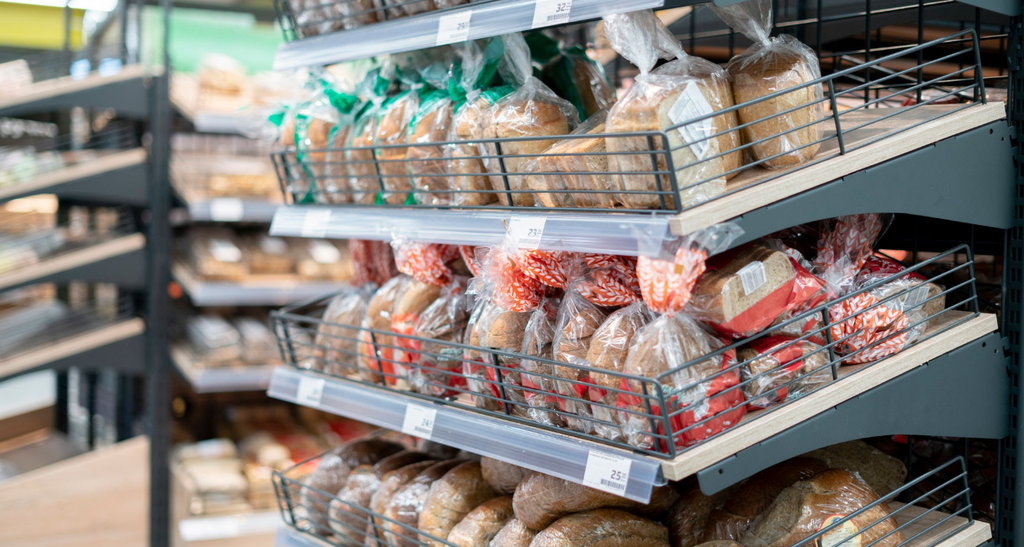
The shift from $1.37 to nearly $2.00 per loaf reflects systemic cost increases across agricultural processing, packaging materials, and retail labor overhead.
The Household Grocery Basket Reality
When paired with simultaneous price increases across milk, eggs, and poultry, the bread price surge illustrates why total grocery receipts have expanded by nearly 45% over the same ten-year window.
Families earning median wages find that a weekly grocery basket that cost roughly $25 in 2016 demands over $37 today for the exact same volume of goods.
Consumer sentiment studies show that when basic survival staples undergo permanent structural price increases, household budgets suffer immediate strain, forcing families to trade down to generic brands or cut back on discretionary purchases entirely.
Protecting Your Household Food Budget
Financial advisors recommend combating grocery inflation through strategic purchasing habits:
- Buying store-brand white and whole-wheat loaves, which frequently offer a 20% to 30% savings over national commercial brand name labels.
- Utilizing freezer storage to purchase bread items in multi-pack wholesale quantities without risking food waste.
- Comparing price-per-ounce metrics across bakery alternatives to identify true value per serving.
Until global agricultural supply chains stabilize and retail competition forces price normalization, tracking essential pantry staples remains the clearest way to understand real-world inflation.
[SOURCES & VERIFIED DOCUMENTATION FOR READERS]:
- U.S. Bureau of Labor Statistics (BLS): Consumer Price Index Average Price Data for White Bread (2016–2026)
- USDA Economic Research Service: Food Price Outlook & Agricultural Commodity Trends
- Form Financial Research: 10-Year Grocery Staples Price Comparison Audit
How much has the price of bread and basic groceries changed in your neighborhood store over the last few years? Have you switched to store-brand bread or alternative options to save money? Drop your city, state, or country below and let’s compare prices!