
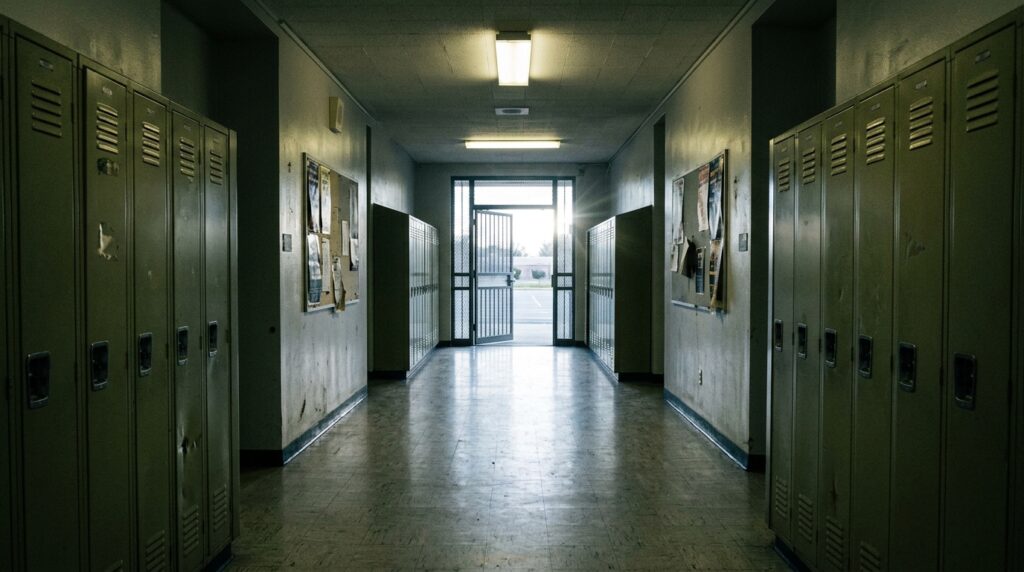
For generations, the classroom was viewed as an undisputed sanctuary for child development, structured learning, and social growth. Parents entrusted primary and secondary educational institutions with the care of their children, operating under the baseline expectation that school grounds maintained rigorous, impenetrable safety standards.
However, recent nationwide educational safety audits reveal that traditional campus defense measures are facing unprecedented systemic strain.
A sharp rise in security breaches, cyberbullying escalations spilling into physical hallways, and inadequate emergency response frameworks have sparked an urgent national conversation among parents, educators, and safety specialists.
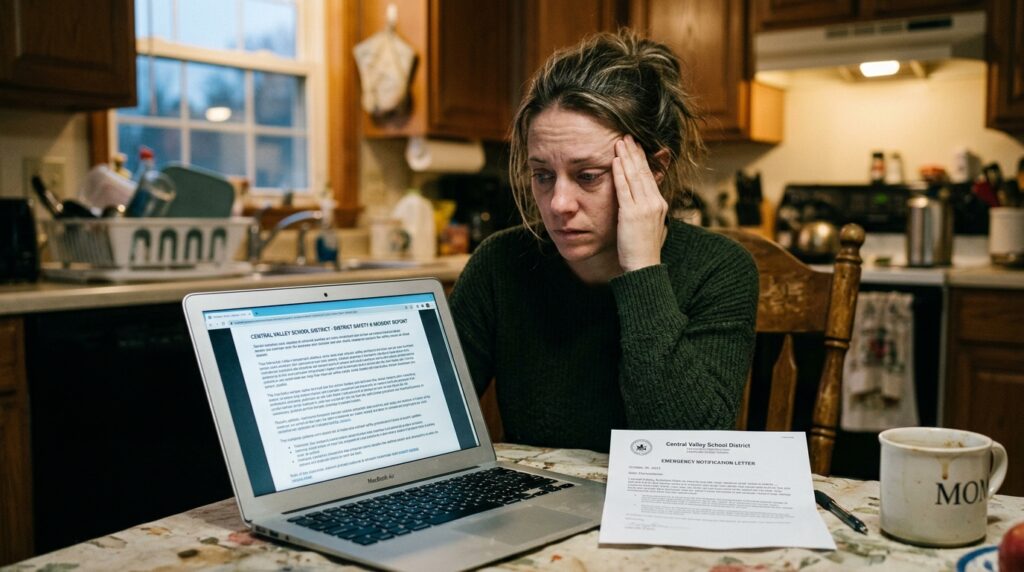
According to data compiled by the National Campus Safety & Security Coalition, institutional reliance on passive monitoring tools—such as outdated hallway surveillance and unmonitored perimeter gates—is failing to address dynamic, modern threats to student well-being.
The Breakdown of Outdated Safety Models
The core vulnerability compromising modern school environments stems from reactive rather than proactive infrastructure:
- Unmonitored entry points and perimeter gaps that allow unauthorized individuals onto school grounds during active instruction hours.
- Inadequate mental health and peer-intervention resources to de-escalate severe interpersonal conflicts before physical altercations occur.
- A growing disconnect between digital harassment taking place on private student chat apps and the physical classroom environment.
When schools lack dedicated, trained security personnel and real-time incident reporting frameworks, everyday minor disruptions can quickly escalate into hazardous situations that compromise the safety of the entire student body.
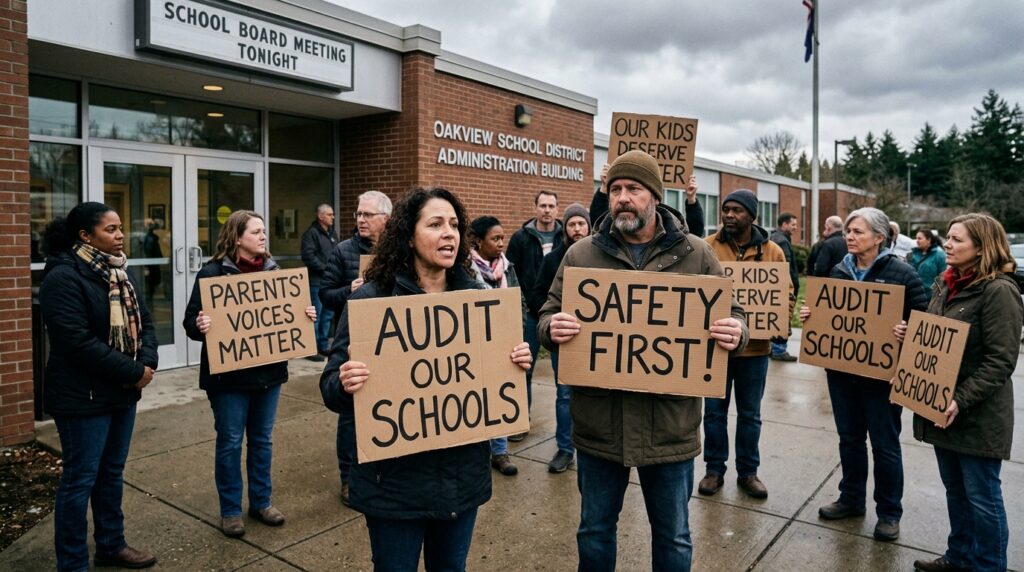
The Parental Backlash and Alternative Education Surge
This escalating safety anxiety is driving a major behavioral pivot among families across the country. Frustrated by slow administrative action and generic institutional reassurances, parents are actively seeking alternatives to traditional brick-and-mortar schools.
Educational enrollment indices show a measurable migration toward alternative learning environments:
- A massive surge in parent-led homeschooling networks and micro-school co-ops offering tightly controlled, secure settings.
- Increased enrollment in fully accredited online virtual academies that eliminate physical campus security risks entirely.
- Demands for school board accountability, with parent coalitions pushing for transparent, audited safety protocols and instant emergency alert systems.
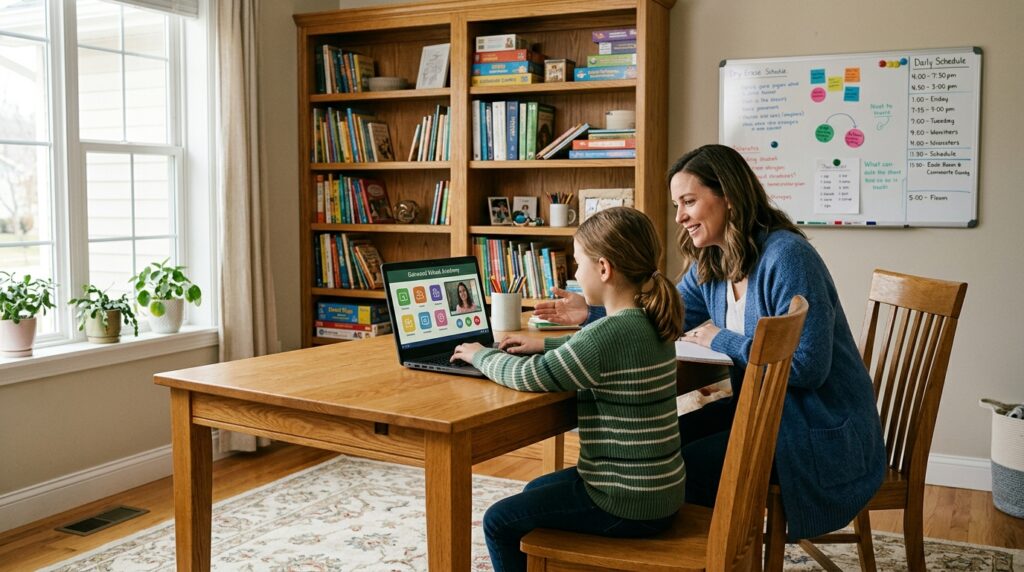
The sentiment among families is clear: academic excellence cannot occur in an environment where basic physical and psychological security is in doubt.
Enforcing Accountability for Student Well-Being
Child safety advocates emphasize that restoring confidence in public and private institutions requires immediate structural reform. Upgrading access-control infrastructure, integrating trained campus security professionals, and maintaining open communication lines with parents are non-negotiable baselines for modern education.
Until educational administrators treat student security with the urgency it demands, families must remain vigilant advocates, actively auditing campus protocols to ensure their children remain protected.
[SOURCES & VERIFIED DOCUMENTATION FOR READERS]:
- National Campus Safety & Security Coalition: 2026 Institutional Vulnerability Report
- Global Educational Environment & Child Protection Index: Incident Review Archive
- Department of Education & Community Safety Registry: Campus Protocol Audit
Do you feel that schools in your area have adequate security measures in place to protect students today? What specific safety upgrades should school boards prioritize immediately? Drop your city, state, or province below and let’s discuss!