

The global online English as a Second Language (ESL) sector is a multi-billion-dollar industry connecting millions of international students with educators across the globe. For over a decade, the backbone of this cross-border industry has relied heavily on passionate, dedicated non-native educators who deliver affordable, accessible conversational training daily.
However, a massive online controversy has exposed the deep-seated professional bias, wage disparities, and toxic gatekeeping simmering beneath the surface of the virtual teaching world.
An online tutor, Marnus Matthysen, sparked intense backlash after publicly posting content mocking an introductory video of a Filipino ESL teacher, criticizing her pronunciation, belittling her academic credentials, and publicly broadcasting her uncensored face to the internet.
The viral incident has triggered immediate condemnation from educators worldwide, shifting from a simple social media dispute into a fierce debate on educator dignity, cyber harassment, and global labor inequality.
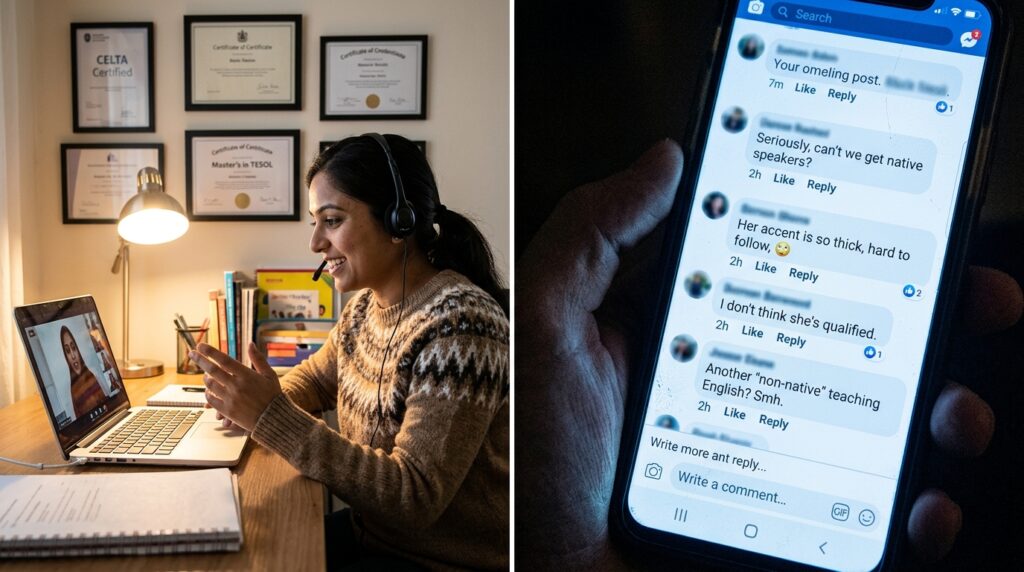
Accent Discrimination vs. Pedagogical Value
The incident has laid bare a contentious issue in international language education: the myth of the “native speaker superior standard.” Sociolinguists and modern education researchers have consistently demonstrated that clear communication, empathy, and pedagogical structure are far more critical to language acquisition than forcing an artificial native accent.
Despite holding legitimate education degrees and passing institutional certifications, teachers from emerging markets frequently face disproportionate scrutiny over subtle phonetic variations.
The deliberate public humiliation of a working professional highlights a glaring double standard. While global communication increasingly values diverse international accents, certain gatekeepers continue to weaponize localized phonetics to demean the competence of qualified educators.
The $2/Hour Wage Reality
Beyond the personal disrespect, the controversy has pulled back the curtain on the harsh economics of the digital tutoring ecosystem. Large corporate ESL platforms often operate on extreme wage differentials—paying non-native teachers fractions of what native-speaking tutors command for the exact same instructional hours.
Educators who work under these low-margin structures often manage heavy lesson schedules to make a living, only to face public ridicule from overseas competitors for participating in the very market corporate platforms created.

The global teaching community has pushed back forcefully against this economic elitism. Tutors across North America, Europe, and Asia are taking to professional forums to emphasize that attacking individual workers over platform wage structures is both counterproductive and deeply unprofessional.
The Demand for Accountability and Ethics
The widespread outrage is now driving urgent calls for ethical content guidelines and stronger workplace protections across remote tutoring networks. Digital advocacy groups are highlighting the critical need for platforms to protect teacher profile media from unauthorized scraping, public defamation, and non-consensual monetization.
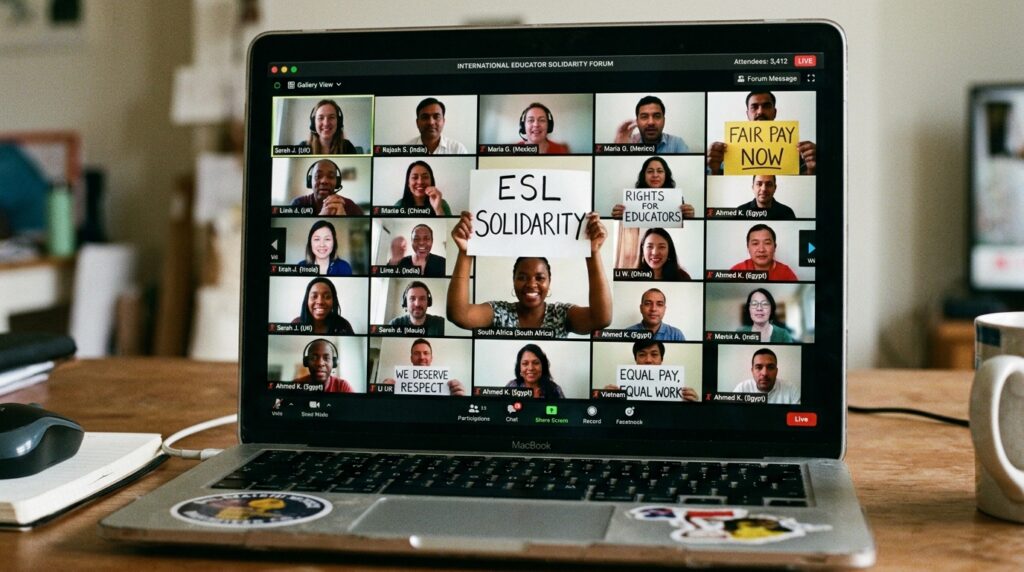
As cross-cultural learning continues to expand globally, this controversy serves as a stark reminder: genuine educational excellence is defined by patience, instructional skill, and mutual respect—not online bullying and arbitrary linguistic gatekeeping.
[SOURCES & VERIFIED DOCUMENTATION FOR READERS]:
- Global ESL Educator Forum & Working Conditions Review: Case Archive #2026-ESL-PH
- International Journal of Bilingual Education: Accent Bias & Pedagogical Standards Analysis
- Digital Workplace Ethics Coalition: Remote Educator Protection Registry
Do you believe online platforms should take legal action against creators who scrape and publicly mock working professionals? Should clear communication matter more than a native accent in global ESL teaching? Drop your location and thoughts below!