
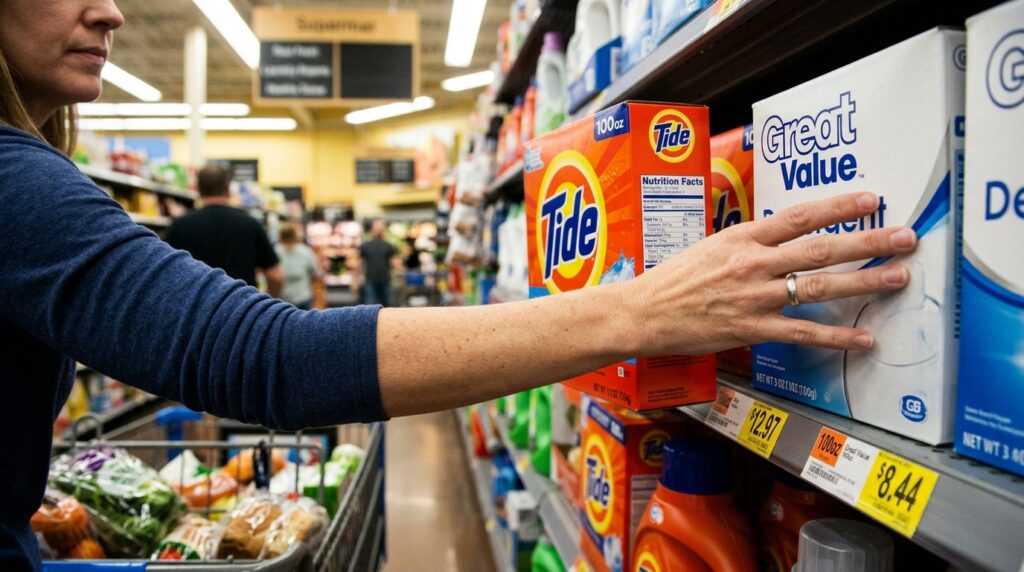
For generations, the absolute gold standard of corporate retail success was built on an incredibly simple concept: brand loyalty. Massive conglomerates spent billions of dollars on sophisticated psychological marketing campaigns designed to turn ordinary household items into emotional necessities. Consumers grew up believing that buying a specific legacy brand logo was a definitive marker of safety, consistency, and social status.
But as comprehensive mid-2026 commercial tracking indices roll out, data reveals that corporate brand loyalty has completely collapsed.
Sustained price hikes have triggered a hyper-aggressive consumer revolt across the United States, Canada, and the United Kingdom.
According to a groundbreaking market study published by Salsify and the Digital Shelf Institute (DSI), a staggering 72% of modern consumers have officially abandoned their lifelong go-to brands in favor of entirely unvetted, lower-priced alternatives.
The Rise of Brand Agnosticism
The transition away from premium corporate names has birthed a massive cultural phenomenon known as “Brand Agnosticism.” According to the 2026 Salsify Consumer Research Registry, the psychological spell of corporate marketing has officially broken. Faced with unrelenting budget strain, the modern public is suffering from intense “aesthetic fatigue.”
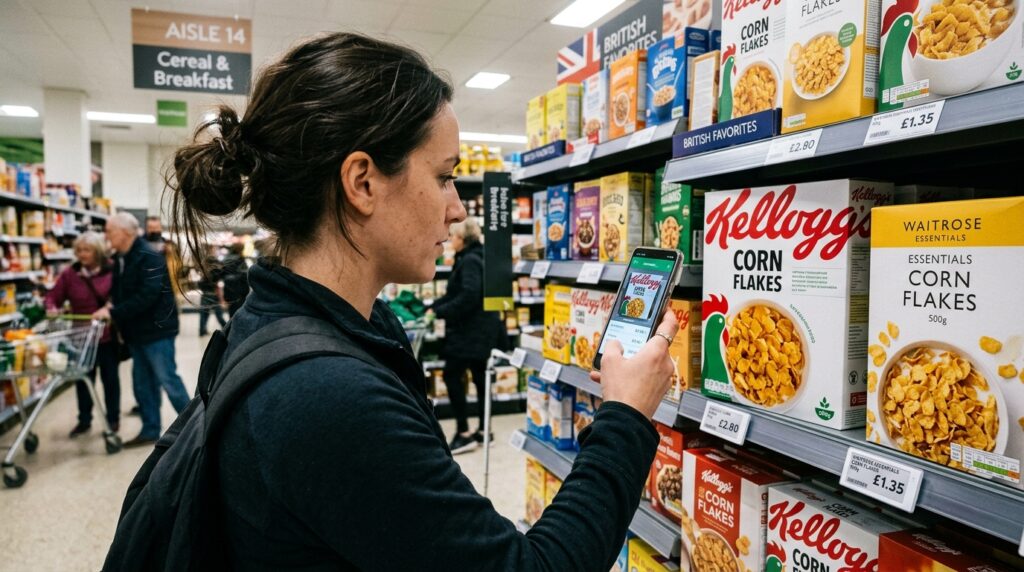
The data indicates that an overwhelming 55% of consumer product changes are now driven exclusively by a ruthless hunt for baseline value and aggressive price promotions.
Rather than hiding their cost-cutting habits out of social embarrassment, independent buyers are proudly broadcasting their retail switches online. Tracking down a generic house label that performs identically to an entry-level luxury product has transformed into the ultimate modern consumer flex.
Webrooming and the Loyalty Execution
Why has this specific shift dismantled corporate market share so rapidly? Retail analysts note that it down to a massive explosion in digital transparency tools. Consumers are no longer wandering blindly through retail aisles; instead, 67% of buyers are actively participating in “Webrooming”—the deliberate practice of rigorously researching item ingredients and cross-channel pricing structures online before ever spending a single dollar in a physical store.
Armed with real-time algorithmic search data, shoppers can see right through the artificial markups padded into famous logos.
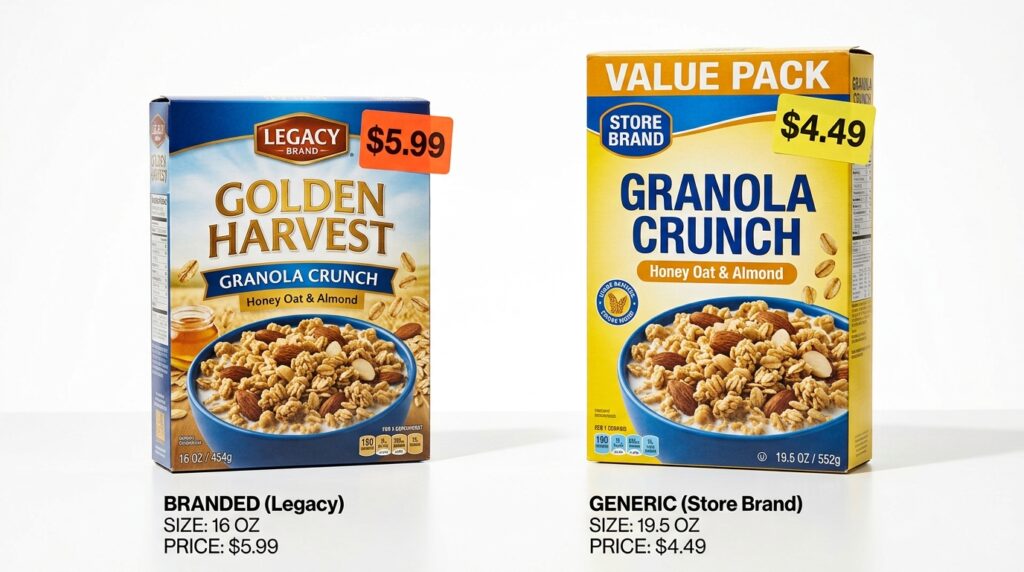
When a multi-billion-dollar brand relies on superficial visual packaging adjustments while simultaneously shrinking product sizes—a practice known as shrinkflation—the consumer community is executing immediate, automated brand swaps. This shift has triggered a massive wave of panic across executive boardrooms, as corporate giants realize that artificial reputation alone is no longer enough to command consumer capital.

The Smart Money Strategy
This historic commercial shift is forcing financial advisors to issue a unified piece of advice to everyday households: audit your pantry and fire your corporate assumptions immediately. The smartest personal finance move you can deploy for the remainder of the year is to approach every single purchase as a blank slate.
As corporate giants scramble to survive the brand loyalty collapse, they will be forced to roll back artificial markups and introduce genuine, raw value back into retail sectors. Until premium names match their high price tags with unmatched durability, keeping your cash firmly in generic labels is the most sophisticated lifestyle design you can execute.
[SOURCES & VERIFIED DOCUMENTATION FOR READERS]:
- Salsify Global Consumer Buying Behavior Registry: Vol. 12-2026 Data Index
- Digital Shelf Institute (DSI) Retail Market Shares: Brand Loyalty Audit
- International Omni-Channel Retail Analytics: Consumer Swapping Patterns Report
Have you officially abandoned your lifelong favorite household brands this year to save cash on generic labels? Do you feel like famous companies have completely priced themselves out of your trust? Drop your city, state, or province below and let’s check the math!