
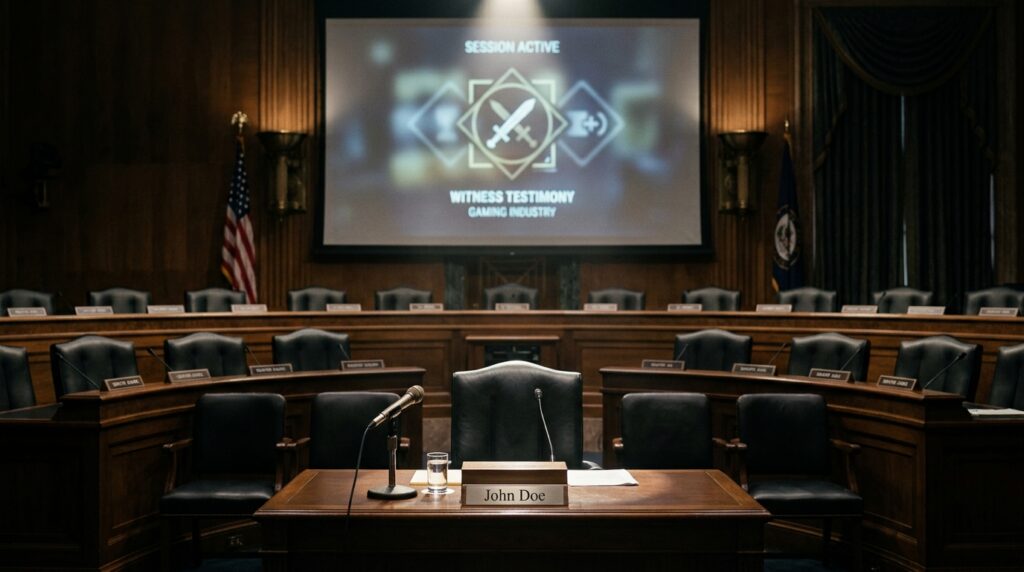
The age-old debate surrounding the psychological impact of violent video games has officially crossed from online forums into the highest halls of international legislation. Following a devastating real-world tragedy on June 22, 2026, at San Jose National High School in Tacloban, Philippines, where two minors accessed a relative’s police service weapon and shot fellow students, the national senate has pointed the finger of blame directly at a highly popular, ultra-violent digital sandbox game.
Rather than focusing solely on traditional gun control mechanisms, lawmakers are demanding unprecedented legal accountability from independent software developers. According to official reports from the Philippine News Agency (PNA), the incident has sent shockwaves through the global gaming community, raising massive questions about international jurisdiction and the future of digital content regulation.
The Demands for Accountability
At the center of the legislative storm is a rated 18+ physics sandbox game available on Steam and mobile platforms, known as “GoreBox,” which is highly recognized for its intense gore and player-driven mechanics. Investigators from the Philippine National Police (PNP) noted that one of the underage suspects was heavily addicted to the violent title prior to the attack.
In an unprecedented legal move, Senator Risa Hontiveros, chairperson of the Senate Committee on Women, Children, Family Relations, and Gender Equality, formally summoned the game’s overseas developer to explain their side in an official government hearing. As detailed by mainstream coverages from ANC and Inquirer News, the independent developer—reportedly based in Germany—declined to attend the proceedings, prompting the Senate panel to seek diplomatic assistance from the German Embassy to facilitate international cooperation.
Lawmakers are pushing for strict regional bans on the title, asserting that platform distribution channels like Steam must face heavier regulatory frameworks if they continue to host unvetted content accessible to minors.
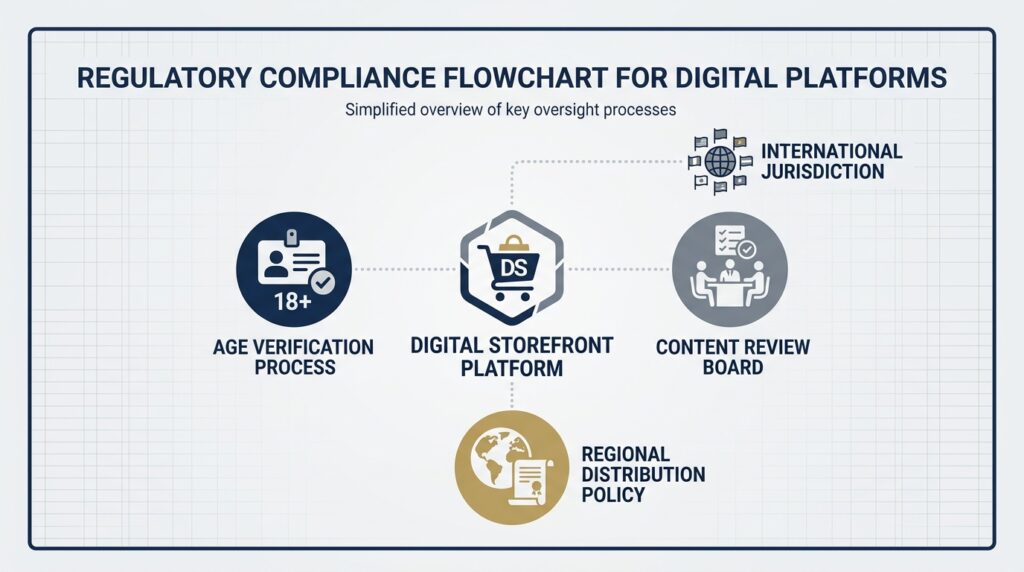
Independent developers worldwide are watching the situation closely, as a government successfully penalizing a creator for the real-world misuse of their software would establish a staggering global legal precedent.
The Contrast: Augmented Reality Arenas
While the Philippines moves to restrict digital spaces, the gaming landscape in neighboring Asian markets is expanding in a completely opposite, high-tech direction. In China, an entirely new genre of mobile entertainment has captured the mass market: real-world augmented reality (AR) battle royales.
Instead of keeping players isolated behind a monitor, these advanced mobile titles utilize the player’s actual physical environment—turning local parks, abandoned complexes, and city streets into a literal digital arena. Using specialized phone optics, spatial tracking, and smart-wearable accessories, players physically run, take cover, and fire digital projectiles at human opponents across real-world geography.

The Convergence of Reality and Simulation
The stark contrast between these two national narratives highlights a widening cultural divide regarding how modern society views interactive entertainment. On one side of the continent, governments are scrambling to police the psychological boundaries of traditional desktop simulations, terrified of the bleed-over into real-world violence. On the other side, technology companies are actively accelerating that exact convergence, erasing the line between physical movement and combat gaming.
As regulatory bodies struggle to keep pace with rapid digital evolution, the ultimate boundary of responsibility remains completely undefined.

Whether the future brings heavier government censorship or a total shift into augmented physical play, the relationship between human behavior and interactive media is being entirely rewritten.
[SOURCES & VERIFIED DOCUMENTATION FOR READERS]:
- Bureau of Juvenile Justice Reports: Case File Leyte-Tacloban-2026
- Official Senate Inquiry Press Release: Committee on Women & Children (June 2026)
- International Tech & Gaming Safety Registry: Asset ID #GBox-2026-Data
Do you think video game developers should ever face legal liability for real-world crimes committed by people who played their games? Would you ever play an AR battle royale that turns your actual city into a shooting arena? Drop your city, state, or province below and let’s debate the math!