
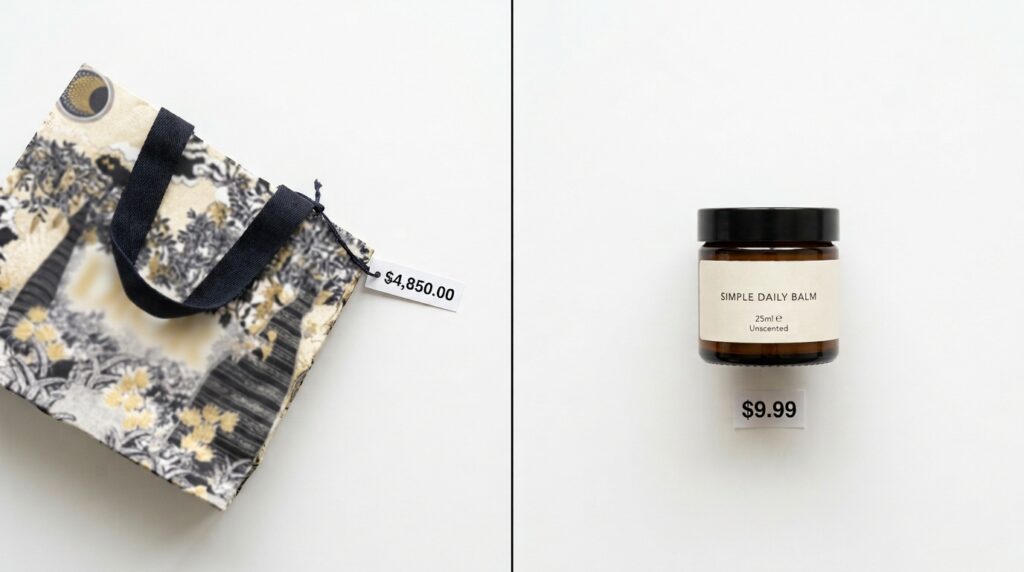
For nearly a decade, the overarching blueprint for building digital status was centered around overt, high-end consumerism. To command attention online, creators had to showcase luxury unboxing videos, expensive lifestyle routines, and premium designer hauls. Walking around with a ten-dollar artisanal beverage or a four-figure accessory was the non-negotiable visual currency of the internet.
But as the comprehensive 2026 McKinsey State of the Consumer Survey rolls out, data reveals that the era of the superficial, high-cost lifestyle flex is officially dead.
Sustained cost-of-living adjustments have triggered a hyper-aggressive behavioral shift across the United States, Canada, and the United Kingdom known as the “Anti-Flex Rebellion.”
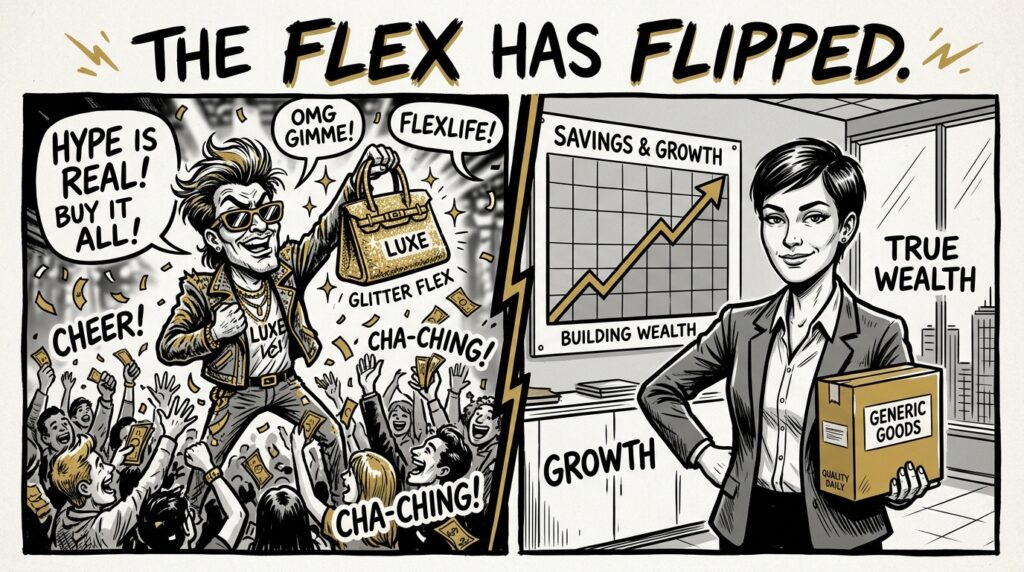
Instead of hiding their budget restrictions, wealthy, high-earning consumers are turning extreme resourcefulness into the ultimate modern status symbol.
The Rise of the Resourceful Consumer
The desire to look effortlessly affluent by spending money recklessly has completely lost its social value among younger demographics. According to current consumer sentiment registries, an unprecedented 60% of buyers across all household income brackets now actively identify as “Resourceful Consumers.” This cultural pivot has birthed a massive online movement dedicated to “De-Influencing.”
Rather than showing off what they bought, users are generating millions of views explicitly warning their audiences what not to buy.
The internet is currently flooded with high-income professionals proudly broadcasting how they completely hollowed out their premium designer spending, aggressively comparing overpriced brand-name items against generic, ultra-durable house brands that cost a mere fraction of the price.
The New Status Symbol: Product Longevity
Why has this specific trend captured the highest-spending demographics so quickly? Industry data reveals a massive shift in how the modern public defines actual item luxury. According to the 2026 Salsify Consumer Research Index, consumer trust metrics have completely flipped:
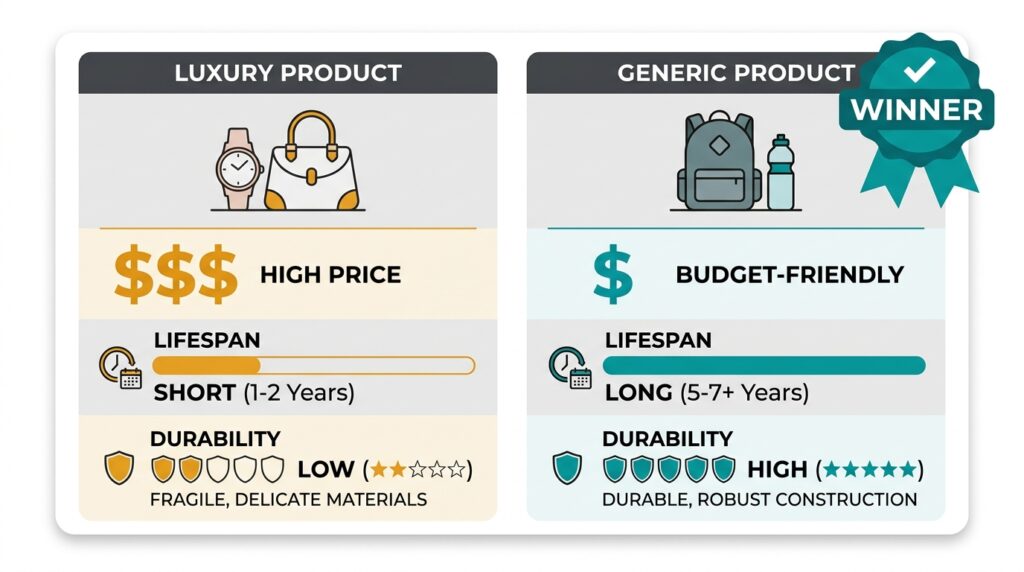
- 54% of shoppers now state that a product’s raw durability and lifespan are the primary indicators of high quality.
- Only a minor segment of the market still associates a high price tag with true premium value.
Audiences are suffering from severe “aesthetic fatigue.” A pristine, overpriced corporate luxury label now commands immediate distrust online, viewed as an over-marketed trap for financially undisciplined buyers. Conversely, tracking down a generic, heavy-duty alternative that outlasts its designer counterpart is treated as an absolute intellectual victory.
The Impact on Retail Giants
This widespread behavioral revolt is sending shockwaves through premium fast-casual and luxury retail sectors. Premium lifestyle brands that built their entire corporate business models around high-margin, visually trendy products are experiencing a sharp decline in foot traffic as buyers move toward intentional webrooming and rigorous price-comparison strategies.
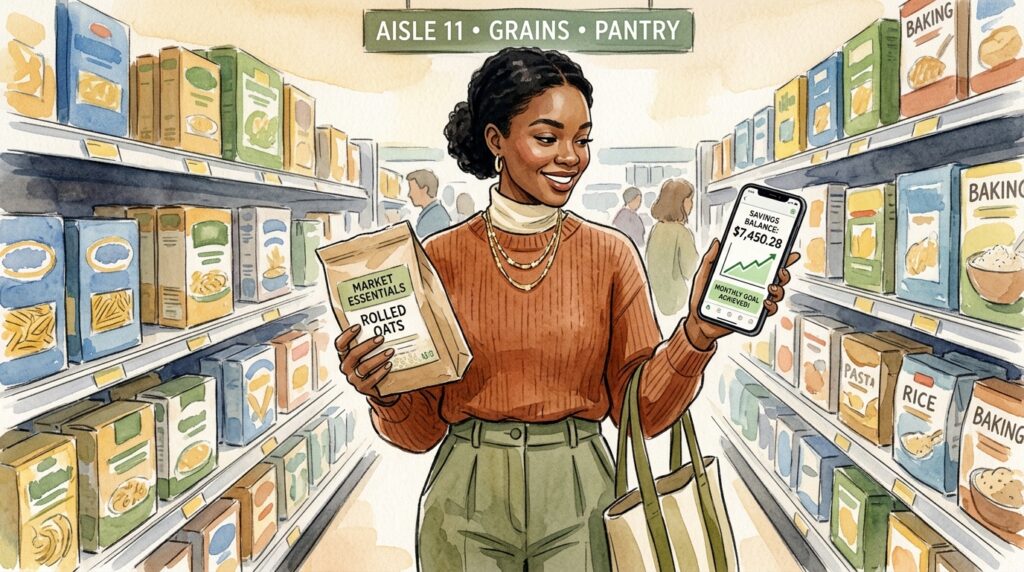
To survive the rise of the resourceful consumer, companies are being forced to throw out their superficial marketing plays, abandon artificial markups, and focus heavily on building raw, unyielding product utility. For the modern consumer, the message is clear: open spending is no longer a sign of success. In the current economic landscape, keeping your money firmly in your investment accounts is the ultimate flex.
[SOURCES & VERIFIED DOCUMENTATION FOR READERS]:
- McKinsey Global Consumer Sentiment Index: Trend Analysis #2026-C3
- Salsify Consumer Buying Behavior Registry: Retail Quality Tracking Report (June 2026)
- International E-Commerce & Luxury Market Review: Volume 14-Data
Have you officially stopped buying high-priced luxury labels in favor of durable, generic alternatives this year? Do you think designer brands have completely priced themselves out of reality? Drop your city, state, or province below and let’s check the numbers!