
For nearly a decade, the recipe for social media success was rigidly defined by aesthetic perfection. To build an audience, creators had to utilize professional ring lights, flawless editing transitions, and hyper-curated, clean backdrops. When advanced AI-generation tools flooded the digital market, corporations and mega-influencers double-downed on this strategy, using algorithmic scripts to render perfectly polished, flawless digital content.
But as mid-2026 internet data rolls in, the digital landscape has completely fractured.
A massive, generational backlash is taking place, and it has given rise to a aggressive new counter-culture: The Anti-AI Slop Rebellion.
According to recent media consumption registries, an astronomical 72% of Gen Z users report feeling deep fatigue and distrust toward overly structured, AI-assisted content. In response, the youngest digital natives are completely redefining what “influence” actually looks like.
The Rise of the “Un-Influencer”
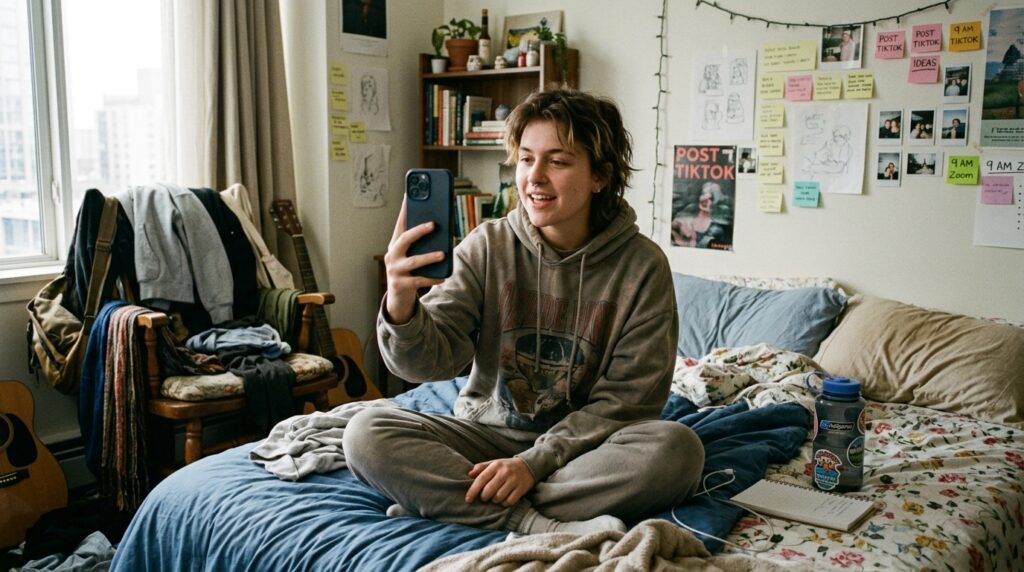
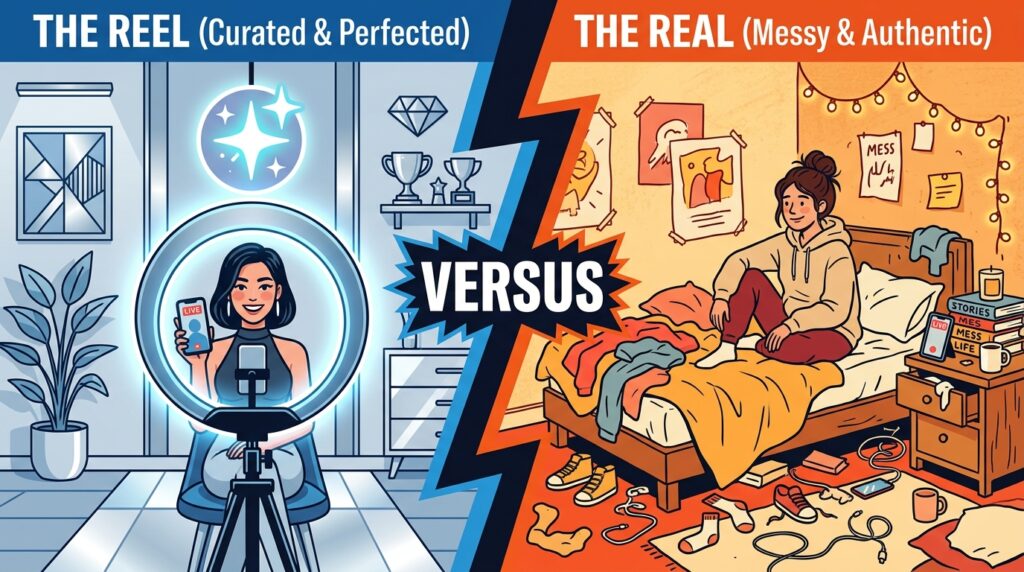
The desire for digital perfection has officially lost its social currency. Today, the content generating the highest engagement rates across short-form platforms belongs to the “Un-Influencer” movement. Instead of staging a pristine studio backdrop, creators are intentionally filming in messy bedrooms, showcasing unwashed laundry, showing up entirely without makeup, and utilizing zero structural lighting.
Behavioral tracking shows that Gen Z, who grew up navigating a web of digital filters, can spot a performative or synthetic partnership instantly.
With algorithmic feeds increasingly flooded by artificial imagery, raw human imperfection has become the ultimate premium commodity. The unpolished “Messy Room” aesthetic functions as immediate visual proof that a creator is a real human being sharing an authentic, relatable life experience.
Algorithmic Fatigue and the Fight for Reality
Why has this specific cultural pivot accelerated so rapidly? Internet sociologists note that it boils down to a psychological defense mechanism against automation. When search tools and entertainment feeds become oversaturated with flawless, corporate-engineered content, the material completely loses its emotional value.
Younger audiences are no longer seeking aspiration; they are aggressively hunting for raw, community-led connection.
This has triggered a dramatic shift in user behavior. Millions of consumers are actively unfollowing and blocking highly polished accounts that rely heavily on automated editing or script-writing assistants.
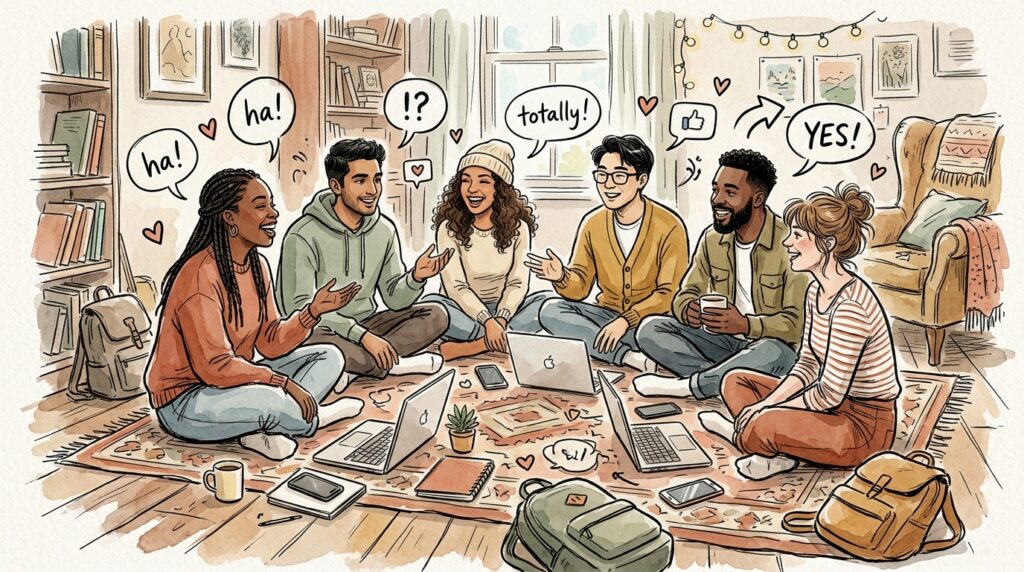
Instead, the community is moving toward hyper-niche, interactive subcultures built inside spaces like raw Discord servers and unfiltered comment sections, where the barrier between the creator and the audience is completely removed.
What This Means for Digital Media
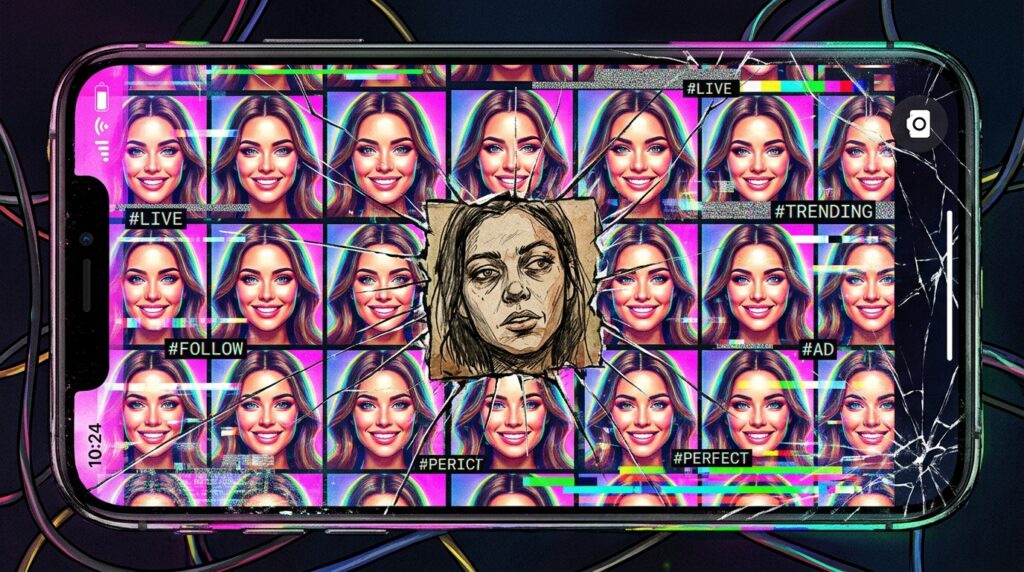
This digital revolt is forcing commercial brands and content developers to completely throw out their old marketing playbooks. The corporate strategies that historically relied on polished, high-production values are falling completely flat with a generation that views clinical perfection as an absolute red flag.
To maintain relevance in the current ecosystem, media spaces must give up structural control, embrace vulnerable behind-the-scenes realities, and recognize that in a world engineered by cold automation, showing your real flaws is the most sophisticated asset you have.
Are you completely tired of seeing overly polished, AI-generated content on your daily feeds? Do you find yourself instantly swiping past creators who look a little too perfect? Drop your city, state, or province below and let’s decode the shift!